Aircraft Cleaning vs Aircraft Detailing: What’s the Difference?
• 6 min read
Ask ten people in aviation what the difference is between aircraft cleaning and aircraft detailing, and you’ll probably get ten slightly different answers. The two terms are often used as if they mean the same thing, but they don’t. Knowing the difference helps you book the right service, set the right budget, and keep a private aircraft looking its best for longer.
Whether you call it aircraft cleaning, private jet cleaning or simply cleaning aeroplanes (or airplanes, as many searches put it), here’s a clear, practical guide to what each service involves, when you need it, and how often.
The short answer
Aircraft cleaning removes everyday dirt so the aircraft is clean and presentable. Aircraft detailing goes further: it restores, protects and perfects the surfaces, inside and out, so the aircraft looks better and stays that way for longer.
Think of cleaning as maintaining the aircraft’s appearance, and detailing as improving and protecting it.
What aircraft cleaning includes
Aircraft cleaning is the routine work that keeps a private jet or business aircraft tidy between flights and between full details. It typically covers:
exterior wash or dry wash to remove road film, dust and light grime
leading edges cleared of insects and dirt
windows and windscreens cleaned with products suitable for aircraft transparencies
cabin tidy: vacuuming, surfaces wiped down and rubbish removed
galley and lavatory cleaned and restocked for the next trip
Cleaning is quick, relatively low cost and ideal for keeping things in order between flights. What it doesn’t do is fix dull paint, restore oxidised brightwork or bring tired leather back to life.
Many airports don’t allow a wet wash on the apron, so see our guide to the aircraft dry wash.
What private aircraft detailing adds
Private aircraft detailing is a deeper, more skilled process. It takes longer, uses specialist products and techniques, and is about long-term condition as much as appearance.
Paint correction and protection
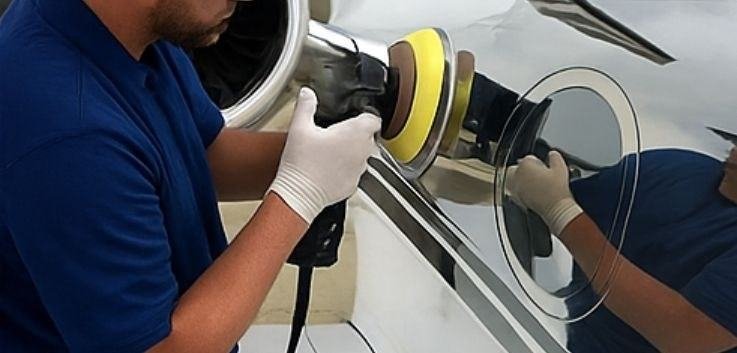
Over time, paint picks up swirl marks, light scratches and oxidation from UV, weather and de-icing fluid. Detailing uses machine polishing to remove these defects and restore gloss, then applies a protective sealant or coating to help the finish resist contamination and UV until the next detail.
Brightwork polishing
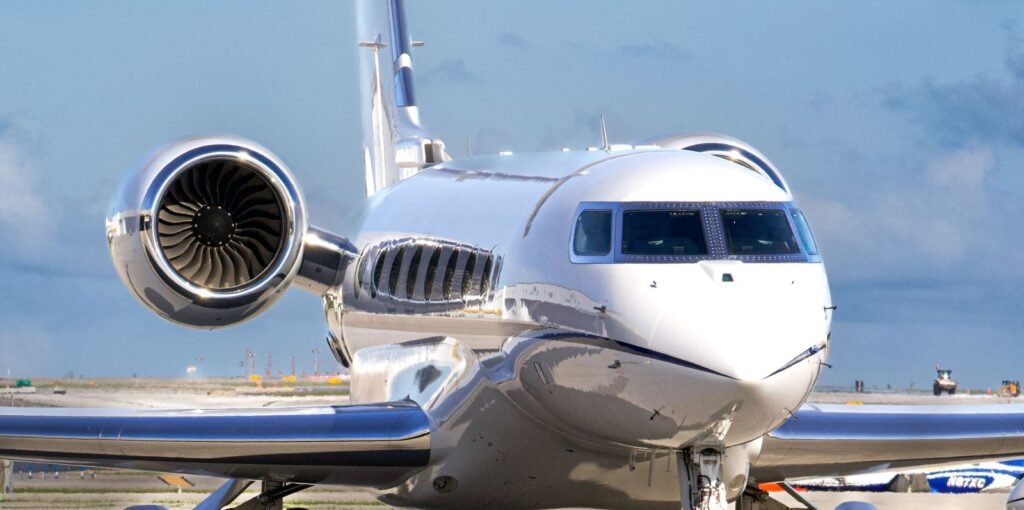
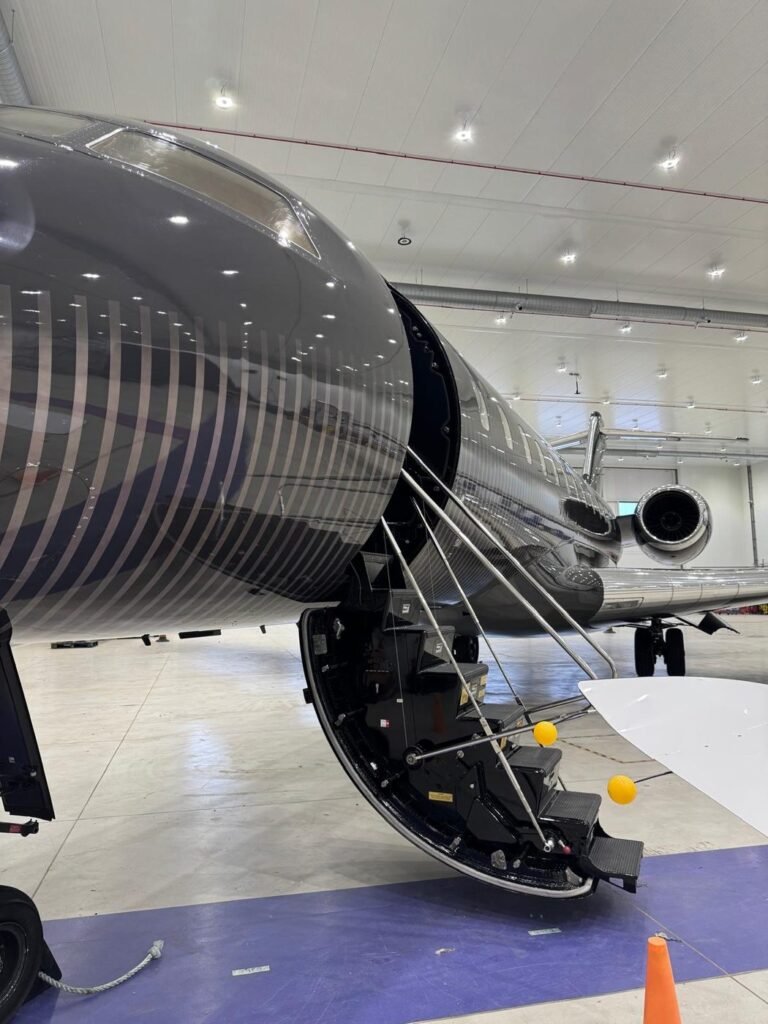
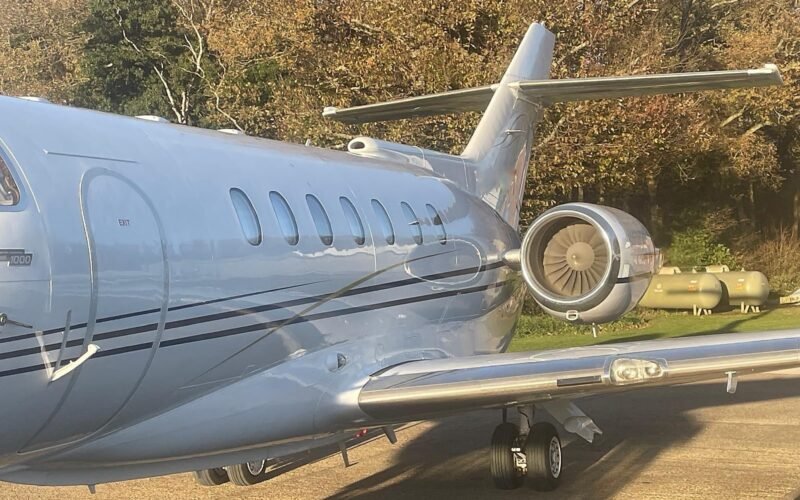
Polished engine inlets, leading edges and trim are a signature feature of many business jets, but they dull quickly. Detailing brings bare metal back to a mirror finish, which takes time, patience and the right technique.
Leather care and interior deep cleaning
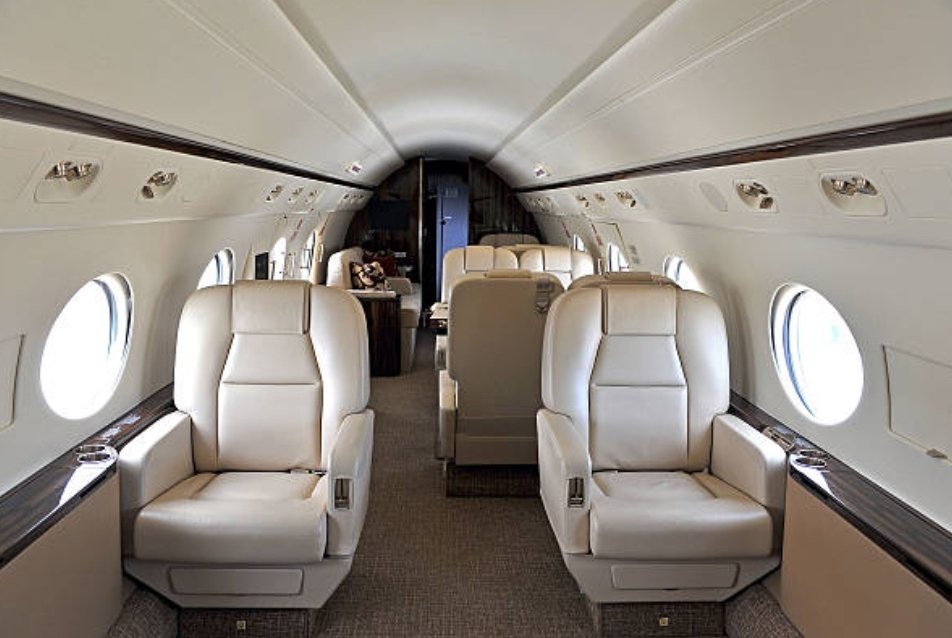
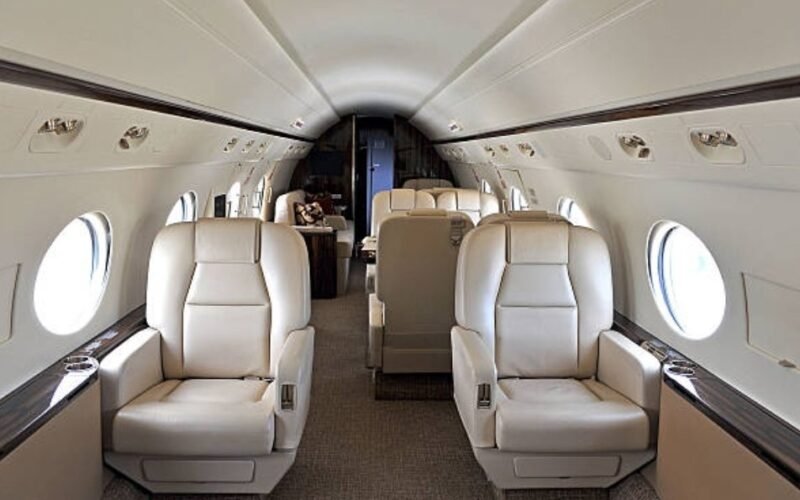
Cabin leather is cleaned and conditioned so it stays supple and doesn’t crack or fade. Carpets and soft furnishings are deep cleaned to remove stains and odours, and headliners, sidewalls and wood veneers are treated with products suited to each material.
Wheel wells and landing gear areas
These areas collect brake dust, grease and grime. A detail cleans them properly, which also makes visual inspections easier.
Cleaning vs detailing at a glance
Aircraft cleaning
Aircraft detailing
Purpose
Keep the aircraft clean and presentable
Restore, protect and perfect surfaces
Exterior
Wash or dry wash, leading edges, windows
Everything in cleaning, plus paint correction, protection and brightwork polishing
Interior
Vacuum, wipe down, galley and lavatory
Deep cleaning, leather conditioning, stain and odour removal
Time
Quick, often between flights
Longer, planned around the schedule
Cost
Lower
Higher, reflecting time, skill and products
How long it lasts
Until the next few flights
Protection can last for months
When do you need each?
Choose aircraft cleaning when:
the aircraft is flying regularly and just needs to look its best for the next trip
you want a quick turnaround between passengers
the paint and interior are already in good condition
Choose private aircraft detailing when:
the paint looks dull, or the brightwork has lost its shine
the cabin leather or carpets are showing wear
you’re preparing the aircraft for sale, delivery or a lease return
the aircraft has been stored, or has spent time at a coastal or winter base
it’s been a while since the last full detail
Detailing before a sale is particularly worthwhile. A properly detailed aircraft photographs better, impresses at viewings and gives buyers confidence. It’s something we regularly combine with our aircraft sales support.
How often should a private jet be cleaned or detailed?
There’s no single answer, because it depends on how often the aircraft flies and where it’s based. As a general guide:
Cleaning: light cleans between trips, or regularly for aircraft that fly often
Detailing: a full detail at planned intervals, with extra attention for coastal bases (salt), winter operations (de-icing fluid) and summer flying (insects on leading edges)
The best approach is a simple plan: regular cleaning to keep the aircraft presentable, and periodic detailing to restore and protect it. Planned properly, both fit around the flying schedule without getting in the way.
How much does aircraft cleaning or detailing cost?
Costs vary, so it’s worth understanding what affects the price:
aircraft size: a light jet takes far less time than a long-range aircraft
condition: heavily oxidised paint or worn interiors need more work
scope: interior only, exterior only, or a full detail
extras, such as brightwork polishing or long-lasting paint protection
location and access, including airport rules on washing and water use
As a rule, cleaning costs less per visit, while detailing is a larger, less frequent investment that helps protect the aircraft’s finish and value. The best way to get an accurate figure is a quote based on your aircraft, its condition and where it’s based.
Why it matters who does the work
Whether it’s cleaning or detailing, aircraft surfaces need care. The wrong product can damage paint, seals or transparencies, and water or chemicals in the wrong place can affect probes and sensors. A professional team protects openings and sensors before starting, uses products suited to aviation surfaces, and follows the airport’s and manufacturer’s guidance.
At First Response Aviation Group, our aircraft detailing service covers everything from routine cleaning to full private aircraft detailing for business jets across the UK. For a deeper look at the detailing process, read our guide to private jet detailing.
Frequently asked questions
Is aircraft detailing the same as aircraft cleaning?
No. Cleaning removes everyday dirt to keep the aircraft presentable. Detailing goes further, restoring and protecting the paint, brightwork, leather and other surfaces so the aircraft looks better for longer.
Can you wash an aircraft at any airport?
Not always. Many airports restrict water use on the apron, which is why a dry wash is often used. It lifts dirt with specialist products and microfibre cloths instead of hoses.
How long does private aircraft detailing take?
It depends on the aircraft size, its condition and the scope of work. Cleaning can often be done between flights, while a full detail takes longer and is planned around the aircraft’s schedule.
Does detailing help when selling an aircraft?
Yes. A professionally detailed aircraft photographs better, shows better at viewings and gives buyers confidence that it has been well looked after.
How do I book aircraft cleaning or detailing?
Call our 24-hour concierge line on 01268 204 607 or send us a message with the aircraft type, location and what you need, and we’ll come back to you with a clear plan and quote.
Book aircraft cleaning or detailing
Not sure whether your aircraft needs cleaning or a full detail? Tell us the aircraft type, where it’s based and how it looks today, and we’ll recommend the right service. Call our 24-hour concierge line on 01268 204 607 or send us a message.
Request a quote
Get a quote for aircraft detailing
Tell us a little about the aircraft and what you need, and we’ll come back to you with a clear plan and price.
Starting prices for private jet seat and upholstery cleaning, from leather and fabric seats to divans and colour restoration, plus what affects the price.