Aircraft Dry Wash: How Business Jets Are Cleaned Without Water
• 5 min read
If you’ve ever tried to arrange a wash for a business jet at a busy UK airport, you’ll know water is often the sticking point. Plenty of airports won’t let you hose an aircraft down on the apron, wash bays are limited, and the aircraft usually needs to be ready for its next trip sooner rather than later.
That’s where an aircraft dry wash comes in. It’s how most business jets are kept clean between full details, and it’s a big part of the aircraft exterior cleaning we do.
What is an aircraft dry wash?
A dry wash cleans the outside of an aircraft without hoses or running water. Instead, a specialist waterless wash product is applied a section at a time. It loosens the dirt and surrounds it in a slippery layer, so it can be lifted off the surface with a soft microfibre cloth rather than dragged across the paint.
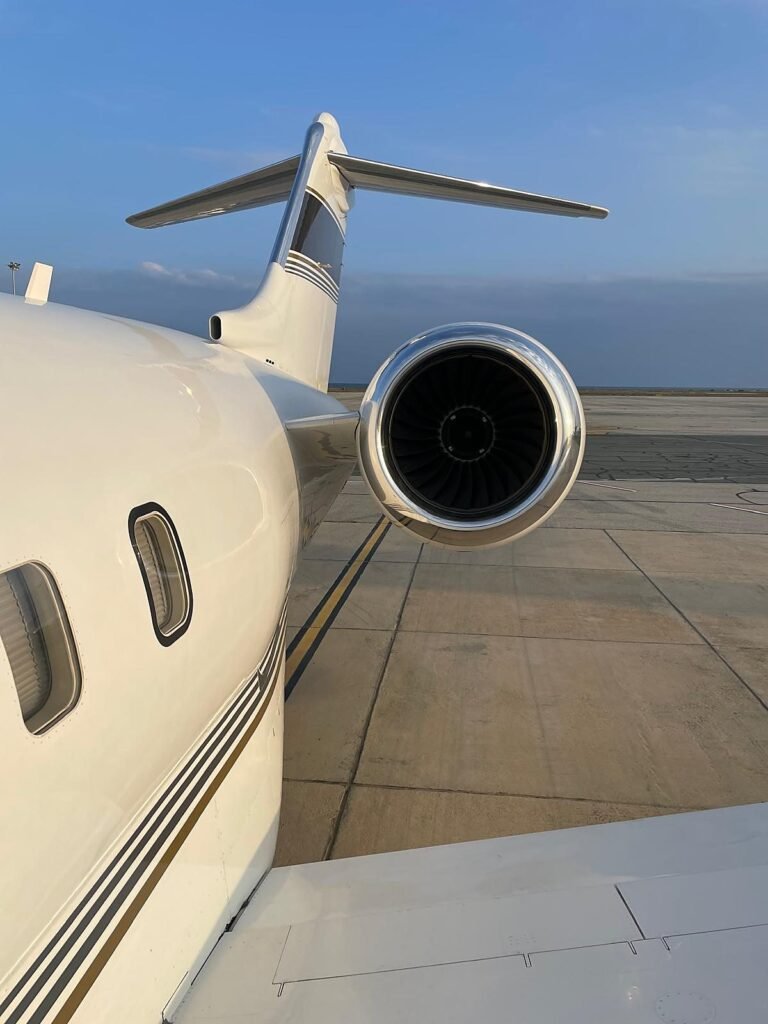
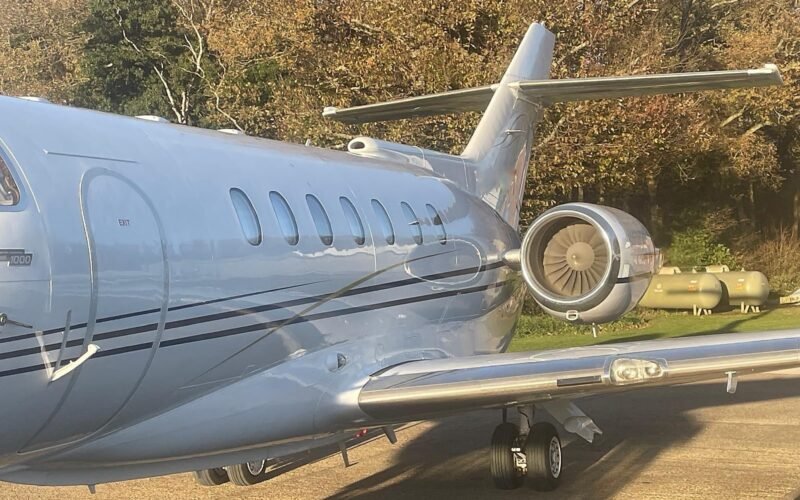
Done properly, it removes the everyday film of dust, exhaust staining and grime that builds up on a business jet, and leaves the paint with a clean, glossy finish.
Why many airports don’t allow a wet wash on the apron
It mostly comes down to what ends up in the drains. Water running off an aircraft can carry fuel residue, oils, de-icing fluid and cleaning chemicals, and airports have strict environmental rules about what is allowed to go into their drainage. Many simply don’t permit washing outside a dedicated wash bay.
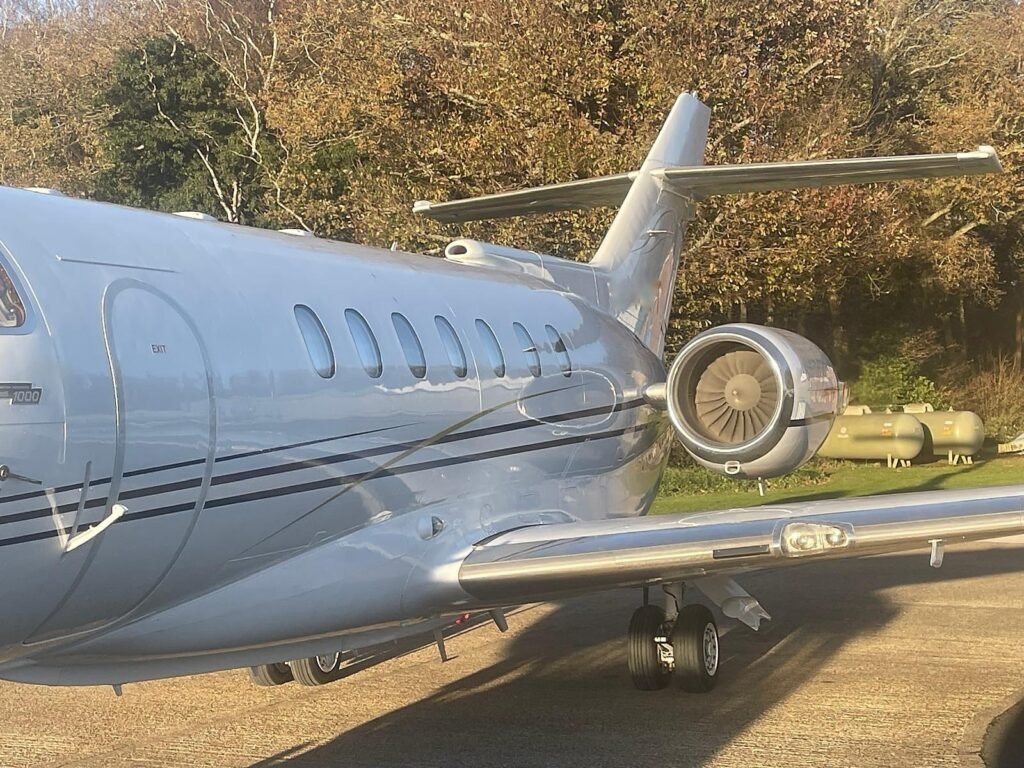
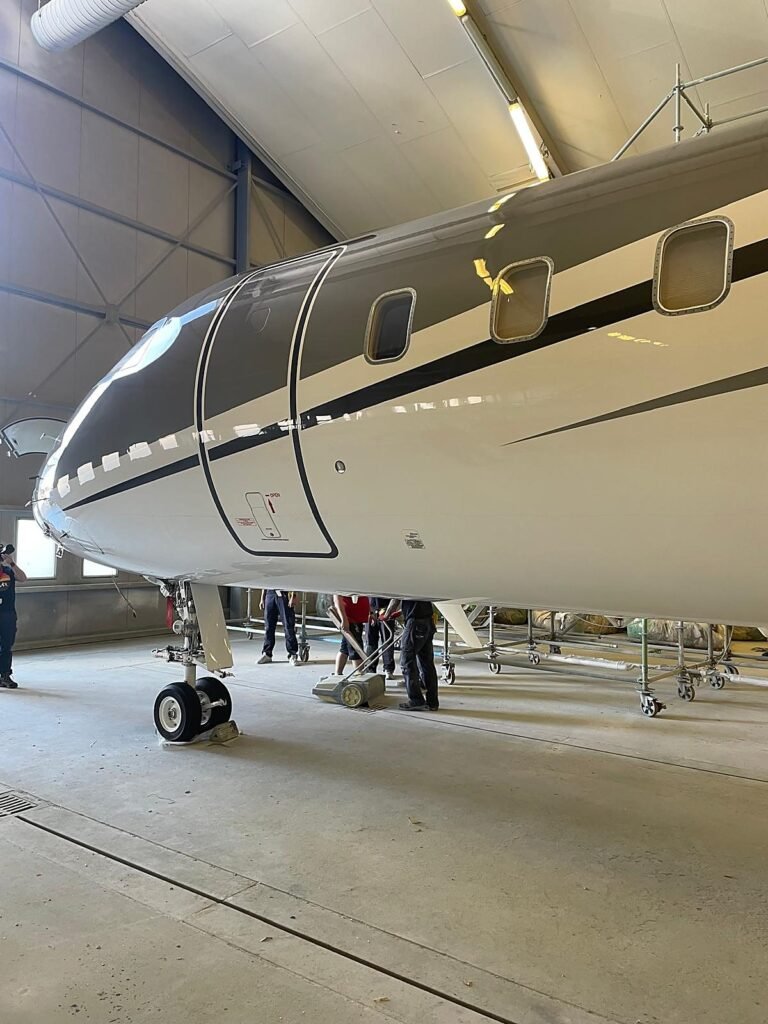
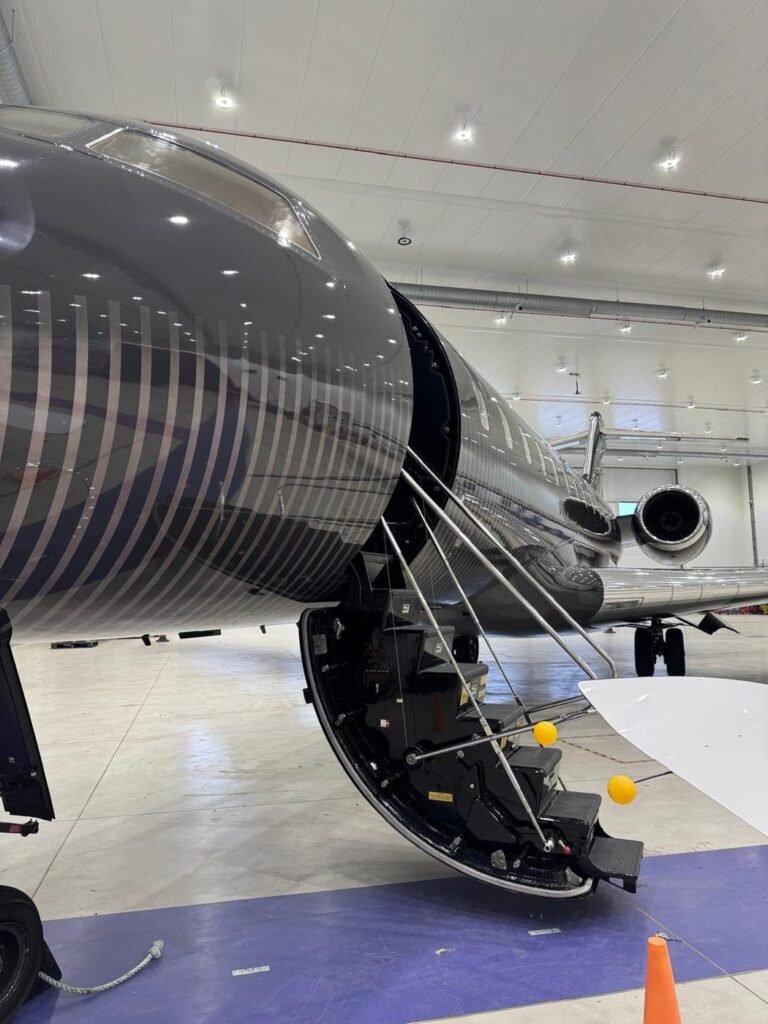
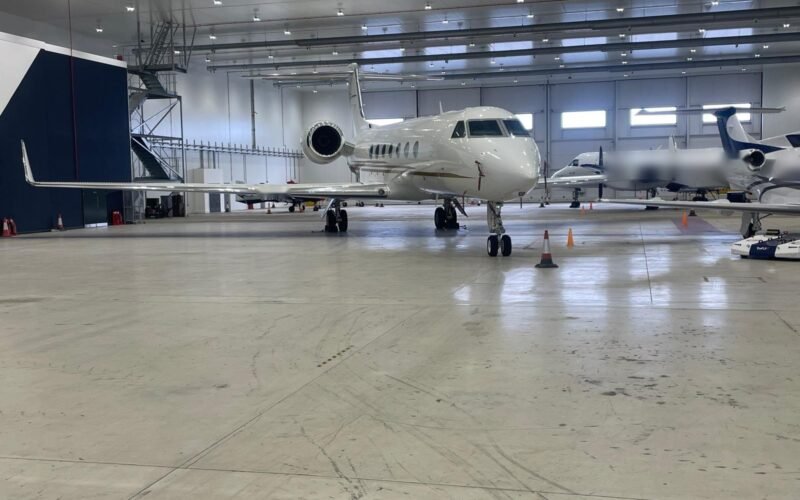
Even where a wash bay exists, booking it, towing the aircraft over and waiting for a slot all takes time. A dry wash can be done where the aircraft is already parked, whether that’s on the apron, in a hangar, at an FBO or at an MRO, with no runoff at all.
How a dry wash is done
The method matters more than anything else. A careless dry wash can leave fine scratches in the paint, so this is how we approach it:
Protect the aircraft first. Probes, static ports, vents and other sensitive openings are covered before any product goes near them.
Work in small sections. The product is sprayed onto one panel at a time, so it never dries on the surface.
Lift, don’t scrub. Dirt is lifted off with folded microfibre cloths, working in straight lines and turning to a clean face of the cloth regularly. Used cloths are swapped for fresh ones throughout.
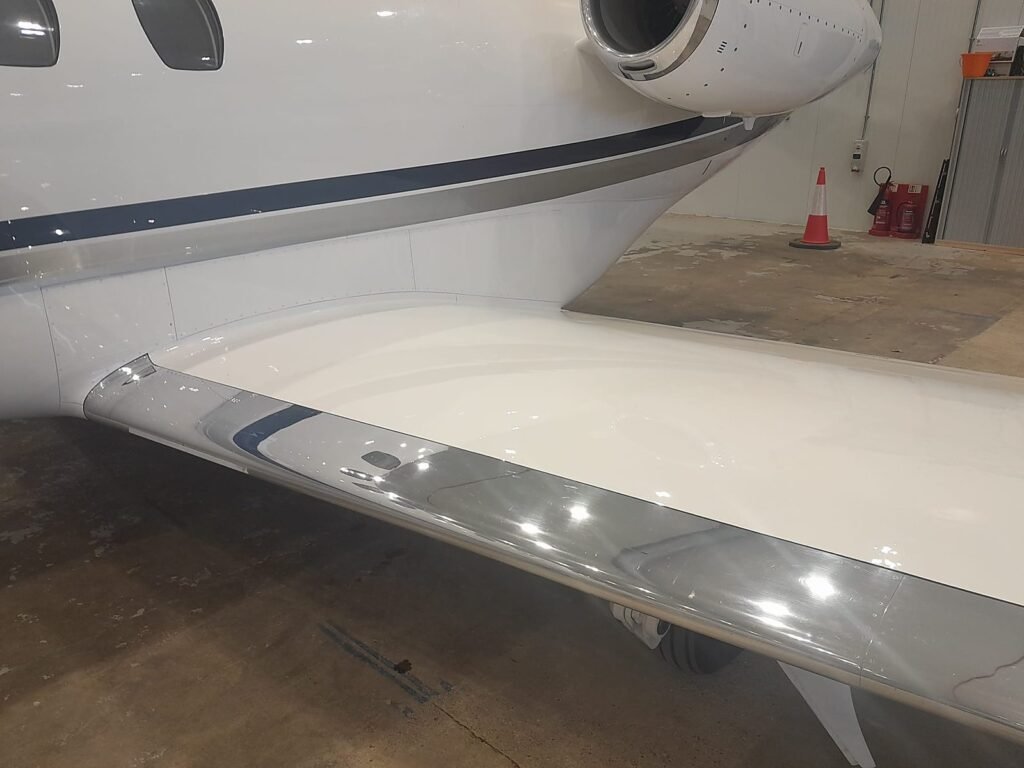
Leading edges get extra attention. Insects and grime build up on wing and tail leading edges, so these are cleaned carefully with a suitable product.
Windows are treated differently. Aircraft windows are acrylic rather than glass, so they’re cleaned with products that are safe for them, to avoid crazing or scratching.
Finish and protect. Once clean, the paint and brightwork are buffed, and a protective product can be applied to help the finish stay cleaner for longer.
Is a dry wash safe for the paint?
Yes, when it’s done properly. The two things that keep the paint safe are plenty of lubrication from the product, and clean cloths. Problems happen when a dirty cloth is reused, or when dry dirt is rubbed across the surface with too little product. That’s why technique and the right materials make all the difference.
It’s also worth knowing what a dry wash can’t do. Heavy contamination, such as thick grease in wheel wells or heavily soiled undersides, may need a different approach. A dry wash also won’t remove swirl marks or bring back dull paint. That’s a job for machine polishing as part of a full detail, which our guide to aircraft cleaning vs aircraft detailing explains in more detail.
Dry wash or wet wash?
For most business jets that fly regularly, a dry wash is the practical choice between full details. It’s quicker, it can be done wherever the aircraft is parked, and there’s no water to manage. A wet wash in a proper wash bay still has its place for very dirty aircraft, or before major paint work, but it usually means moving the aircraft and waiting for a slot.
Many owners use a mix of both: regular dry washes to keep the aircraft looking sharp, with a full detail at planned intervals to correct and protect the paint.
How often should a business jet be dry washed?
It depends on how often the aircraft flies and where it’s based. As a rough guide, an aircraft flying regularly benefits from a dry wash every few weeks, or before important trips. Aircraft based near the coast, flying through winter de-icing, or picking up insects on summer flights usually need more frequent attention.
Where we can carry out a dry wash
We’re a mobile team, based in Essex, so we come to the aircraft rather than the other way round. That might be on the apron, in a hangar, at the FBO or at your MRO while the aircraft is in for maintenance. We cover the London-area airports, from Stansted and Southend to Farnborough and Cranfield, and can travel anywhere in the UK. See aircraft detailing in London for the airports we cover, or our aircraft detailing page for the full service.
Common questions about aircraft dry washing
Does a dry wash use any water at all?
Very little, if any. The cleaning is done with a waterless product and microfibre cloths, so there’s no runoff. That’s why it can be carried out at airports that don’t allow a wet wash on the apron.
Can you dry wash an aircraft in a hangar?
Yes. A dry wash works just as well in a hangar, at an FBO or at an MRO, and it’s often done while the aircraft is on the ground for other work.
How long does a dry wash take?
It depends on the size of the aircraft and how dirty it is. A light jet takes far less time than a long-range aircraft. We’ll give you a time when we quote, and plan the work around your next departure.
Will a dry wash remove scratches or swirl marks?
No. A dry wash cleans the surface. Removing swirl marks and restoring dull paint needs machine polishing, which is part of a full exterior detail.
If your aircraft needs a clean, give us a ring on 01268 204 607 or drop us a message. Tell us the aircraft type, where it is and when it next flies, and we’ll take it from there.
Request a quote
Get a quote for aircraft detailing
Tell us a little about the aircraft and what you need, and we’ll come back to you with a clear plan and price.
Starting prices for private jet seat and upholstery cleaning, from leather and fabric seats to divans and colour restoration, plus what affects the price.