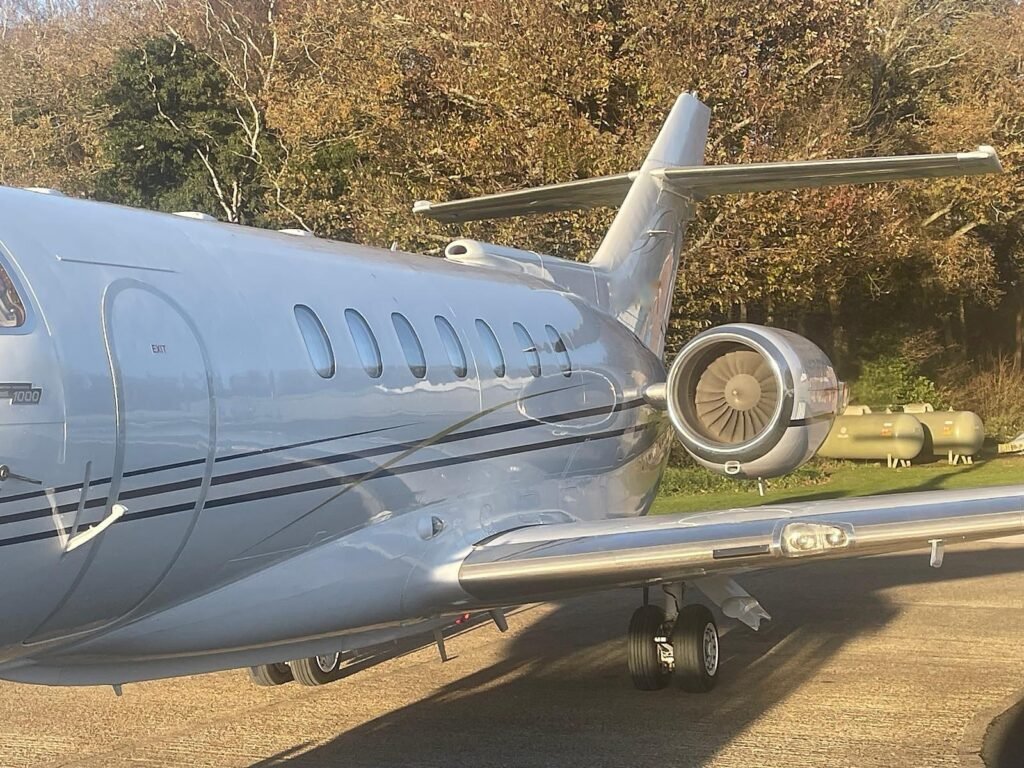
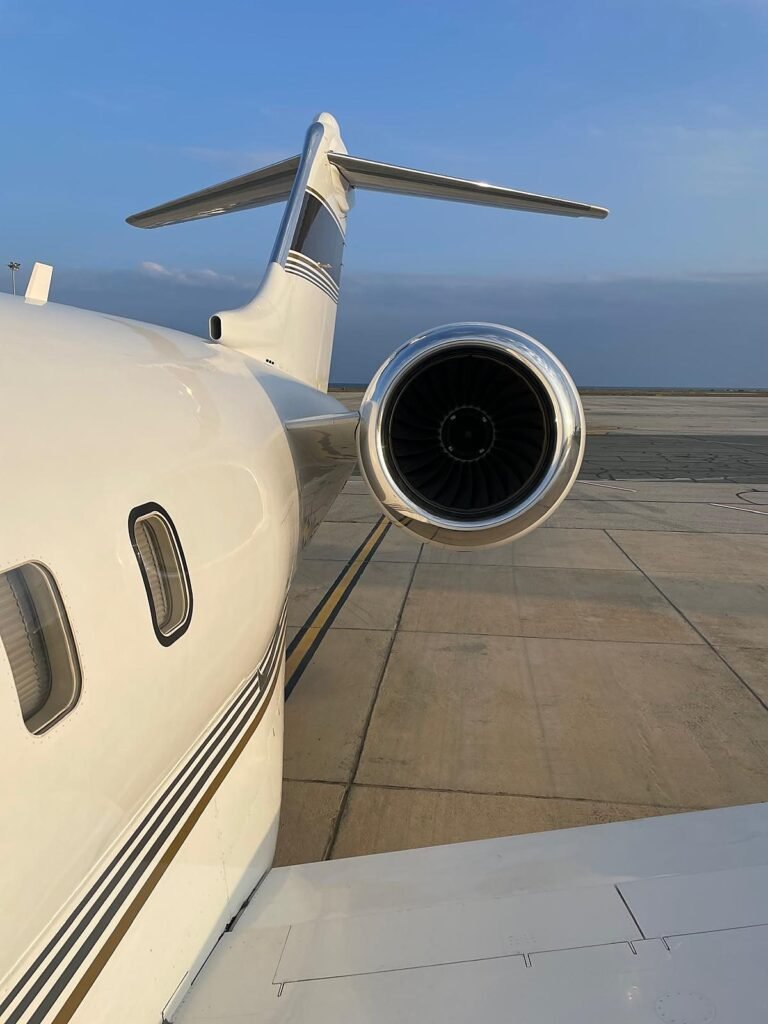
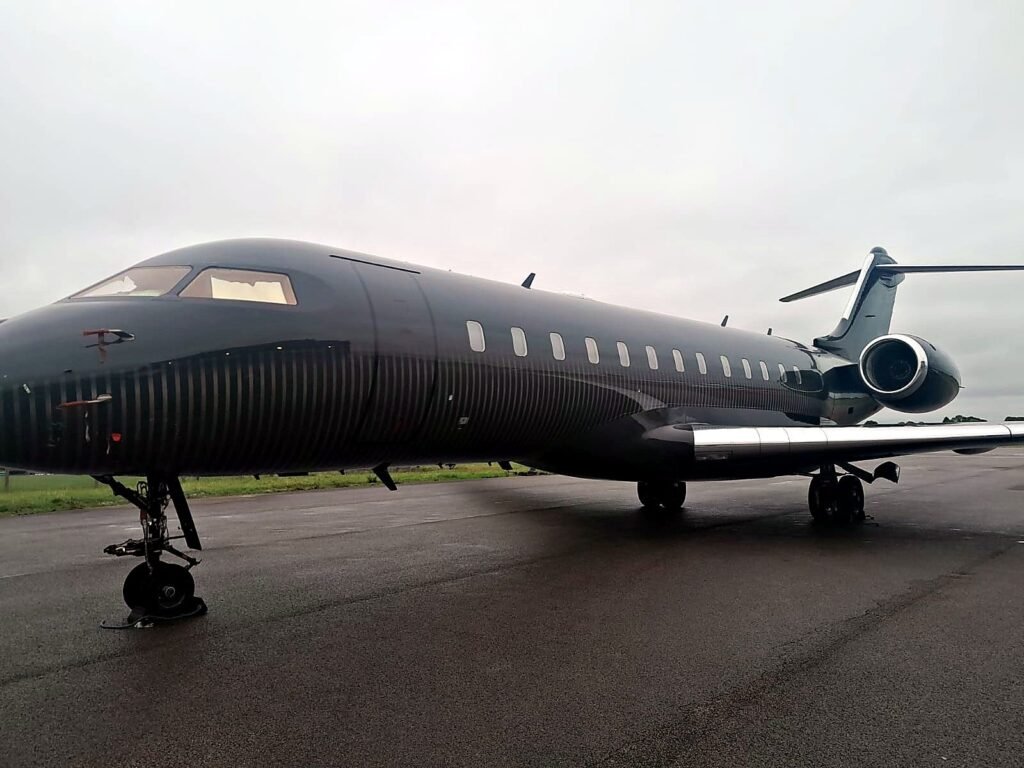
A UK winter is hard on aircraft. Short days and quieter schedules mean aircraft sit for longer, and while they wait, frost, rain, wind-blown grime and damp all go to work on the paint, glass and cabin. Good winter aircraft care starts in the autumn, and a little preparation now saves a lot of time and money by spring.
Here are six practical ways to protect a business jet or private aircraft through the colder months.
1. Start the season clean
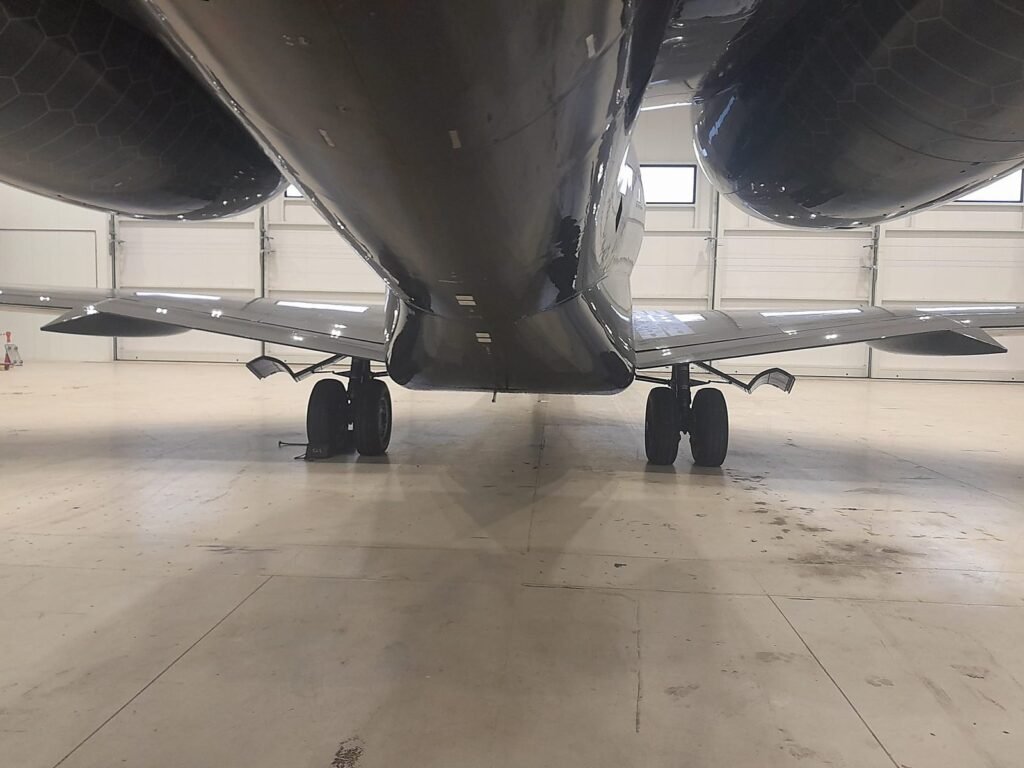
Dirt holds moisture against the surface. Exhaust residue, insect remains and bird droppings left on the paint over winter can etch it and make the spring clean much harder. A thorough clean before the weather turns means the aircraft starts the season with a clean, dry surface.
If the aircraft is parked where a wet wash isn’t allowed, a dry wash does the same job without hoses or runoff.
2. Add a layer of protection
A polish followed by a sealant, or a longer-lasting ceramic coating, gives water and grime less to grip. Rain beads off, dirt comes away more easily, and the paint underneath stays protected from UV and contamination. If your aircraft lives outside on the apron, this is the single most useful thing you can do before winter.
3. Handle frost and ice carefully
Never scrape frost off the paint or the windscreen. Scraping scratches acrylic windows and paintwork, and the damage is expensive to put right. Use hangar time, covers or approved de-icing methods instead, and always follow your aircraft’s flight manual, your operator’s procedures and your engineer’s advice.
De-icing fluid does an important job, but its residue shouldn’t be left to build up on the airframe. Once it has done its work, have it cleaned off as part of the aircraft’s regular care.
4. Keep damp out of the cabin
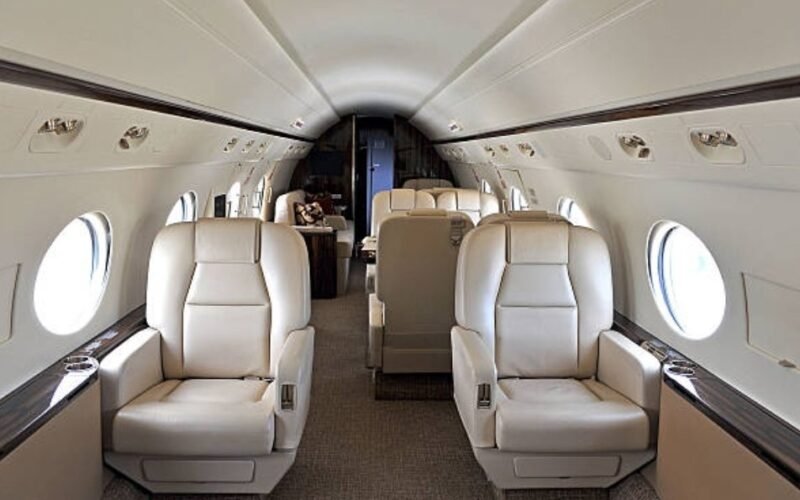
An aircraft that sits for weeks can trap moisture inside, which leads to musty smells, mould and stained upholstery. Air the cabin when you can, remove anything damp, and consider a moisture absorber while the aircraft is parked.
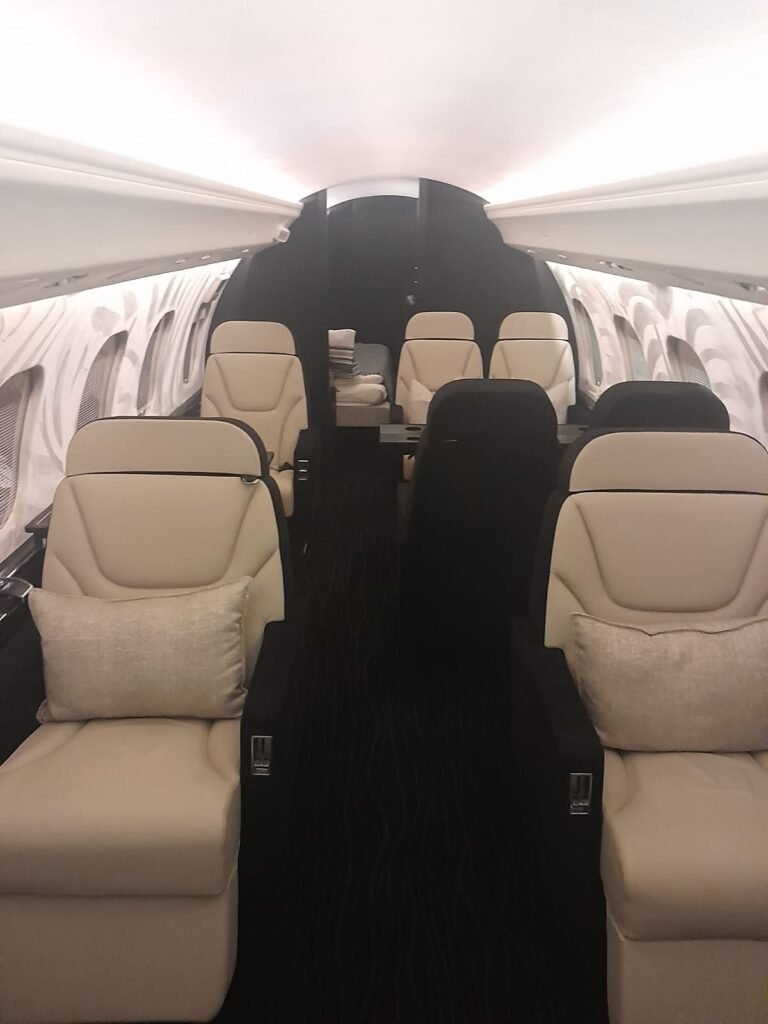
A private jet interior clean before winter removes the dirt, crumbs and organic matter that mould feeds on, and leaves leather and carpets in better shape to sit out the colder months.
5. Use covers properly
Well-fitted covers keep off frost, rain and droppings. A loose or dirty cover can do more harm than good, rubbing grit into the paint every time the wind moves it. Make sure covers are clean, properly fitted and dry before they go on, and follow the manufacturer’s guidance for any covers on probes, intakes and other openings.
6. Book your spring clean early
When the weather improves, everyone wants their aircraft cleaned at once. Booking a spring detail now secures a slot before the rush. It can often be timed for when the aircraft is already in a hangar for maintenance, so there’s no extra downtime.
Winter aircraft care: how we can help
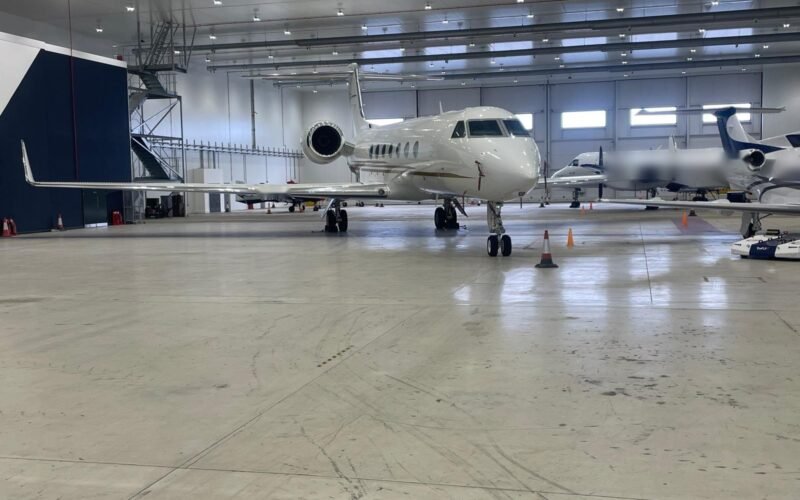
We offer pre-winter cleans, polishing, paint protection and interior deep cleans as part of our aircraft cleaning and detailing service. Exterior work needs suitable conditions, so in poor weather we’ll work in a hangar at the FBO or MRO where one is available, or agree a new date with you in good time. Interior work can usually go ahead whatever the weather.
Yes. Exterior work needs suitable conditions, so we’ll use a hangar where one is available, or plan the work around the forecast. Interior cleaning can usually go ahead whatever the weather.
Is paint protection worth doing before winter?
For aircraft that fly often or are parked outside, it often is. A sealant or ceramic coating helps the paint shrug off rain, grime and contamination, and makes later cleans quicker. We’ll give you an honest recommendation based on how your aircraft is used.
What happens if bad weather affects my booking?
We’ll contact you early if the forecast is against us, and agree a new date or move the work into a hangar where possible. You won’t be left waiting on the day.
When should I book a spring clean?
As early as you can. Spring is our busiest time, so booking during the winter secures a slot before the rush.
To prepare your aircraft for winter, give us a ring on 01268 204 607 or drop us a message with the aircraft type, where it’s based and what you’d like doing.
Request a quote
Get a quote for aircraft detailing
Tell us a little about the aircraft and what you need, and we’ll come back to you with a clear plan and price.
Starting prices for private jet seat and upholstery cleaning, from leather and fabric seats to divans and colour restoration, plus what affects the price.
How each part of a private jet cabin should be cleaned, from leather seats and wool carpets to upholstery, veneer, the galley and the washroom, and how often it needs doing.