Aircraft Cleaning Products: What’s Approved and Why It Matters
• 6 min read
Aircraft cleaning products look much like the bottles on a car valeter’s shelf, but they do a very different job. An aircraft is built from thin aluminium, composites, specialist paint, acrylic windows and polished metal, and the wrong cleaner can cause corrosion, softened paint, crazed windows or damaged seals. This guide explains what “approved” really means, which products are used on each part of an aircraft, and why car products don’t belong anywhere near one.
Table of Contents
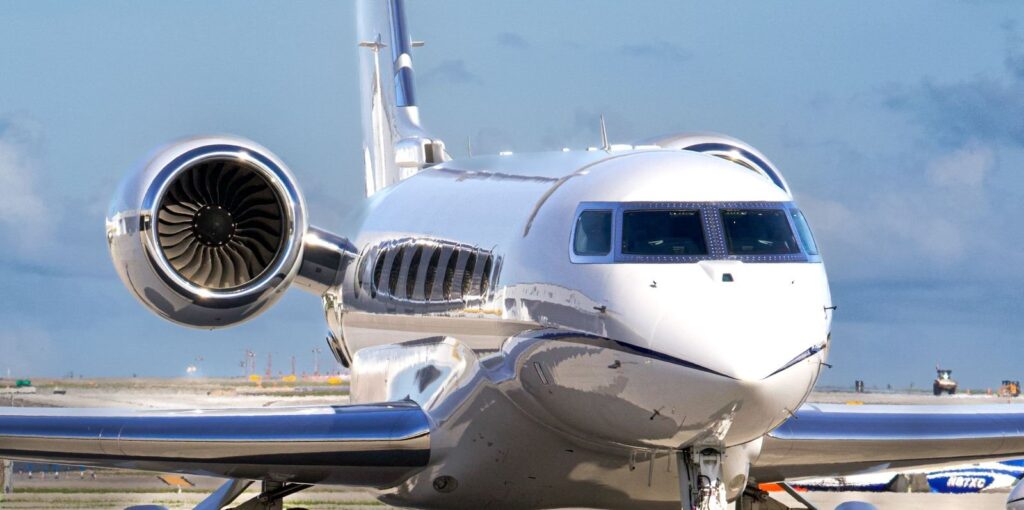
Polished metal, paint and acrylic windows each need their own aircraft cleaning products.
The short answer
Use aircraft cleaning products that have been tested for use on aircraft and approved by the aircraft or component manufacturer, and use them exactly as directed. Different areas need different products: exterior cleaners and dry wash for the paint, dedicated cleaners for acrylic windows, aviation polishes for brightwork, and low-moisture products for the cabin. Car shampoos, waxes, glass cleaners and household sprays are not substitutes.
What makes an aircraft cleaning product “approved”?
Aircraft cleaning products are tested against aviation standards before they can be used on an aircraft. Typical tests check whether the product:
causes corrosion on aluminium and other aircraft metals
softens or stains aircraft paint
causes crazing (fine cracking) in acrylic windows
risks hydrogen embrittlement of high-strength steel parts such as landing gear
leaves residues that affect seals, sealants and composites
Industry specifications such as Boeing D6-17487, SAE AMS 1526 and MIL-PRF-87937 set out these tests, and aircraft manufacturers publish lists of approved materials in their maintenance and cleaning documentation. A professional aircraft cleaner checks that the aircraft cleaning products they use suit the specific aircraft type, and follows the dilution rates and dwell times on the label.
Why car cleaning products damage aircraft
Car products are designed for steel bodywork, automotive clear coat and toughened glass. Used in place of proper aircraft cleaning products, they can do real harm:
Silicones in many waxes and dressings contaminate surfaces and can stop paint repairs and sealants bonding.
Ammonia and alcohol-based glass cleaners can craze and cloud acrylic aircraft windows.
Strong acids and alkalis, such as wheel cleaners and traffic film removers, can attack aluminium and encourage corrosion.
Abrasive polishes can wear through thin aircraft paint and scratch polished metal.
Solvent-heavy sprays can soften paint, seals and cabin finishes.
Car shampoos, traffic film removers, silicone waxes
Windows
Dedicated acrylic window cleaners and polishes, soft microfibre cloths
Household glass cleaners, ammonia, alcohol, paper towels
Brightwork and leading edges
Aviation metal polishes suited to the alloy or coating
Aggressive compounds, wire wool, chrome polishes
Landing gear and wheel wells
Approved degreasers, used with care around seals and bearings
Acid wheel cleaners, high-pressure water
Cabin leather
Aviation leather cleaners and conditioners
All-purpose sprays, solvent wipes
Carpets and fabrics
Low-moisture cleaners suited to certified aircraft furnishings
Over-wetting, products that leave sticky residues
Cockpit and avionics
Cleaners recommended for screens and panels, applied to a cloth
Spraying anything directly onto panels or screens
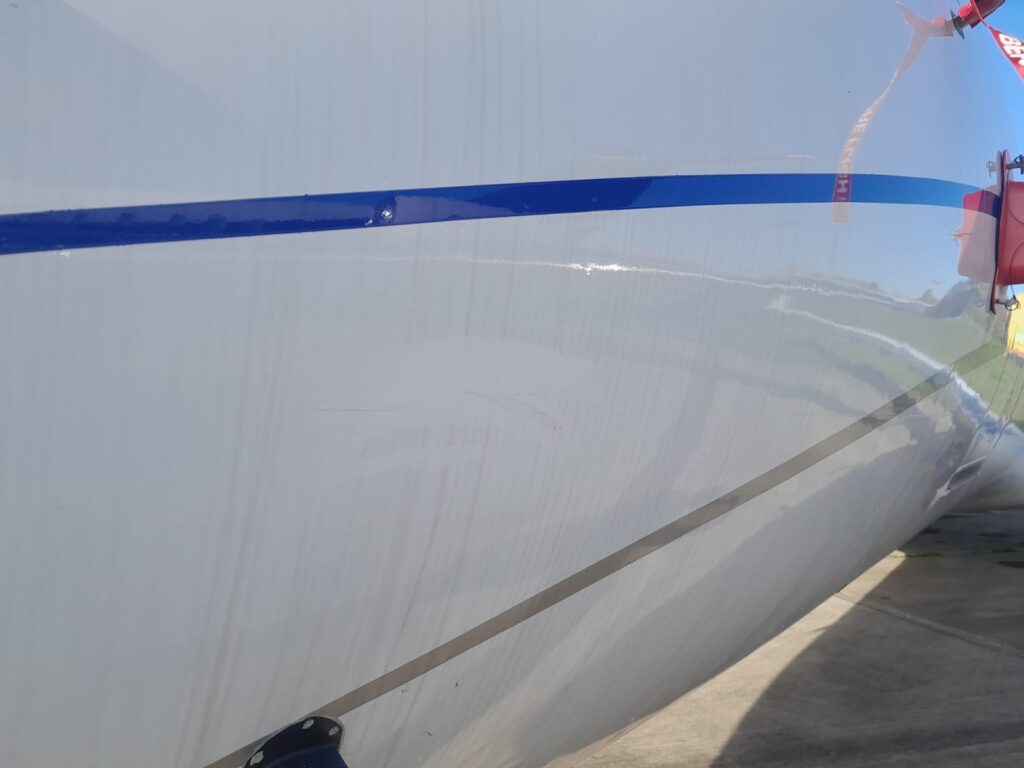
Exterior paint
For exterior paint, the main aircraft cleaning products are approved water-based cleaners and waterless dry wash. Dry wash products lift dirt into a lubricating film that is wiped away by hand, so no running water is needed. That makes them ideal on aprons where water use and run-off are restricted. Our guides to aircraft dry wash and aircraft exterior cleaning explain both methods.
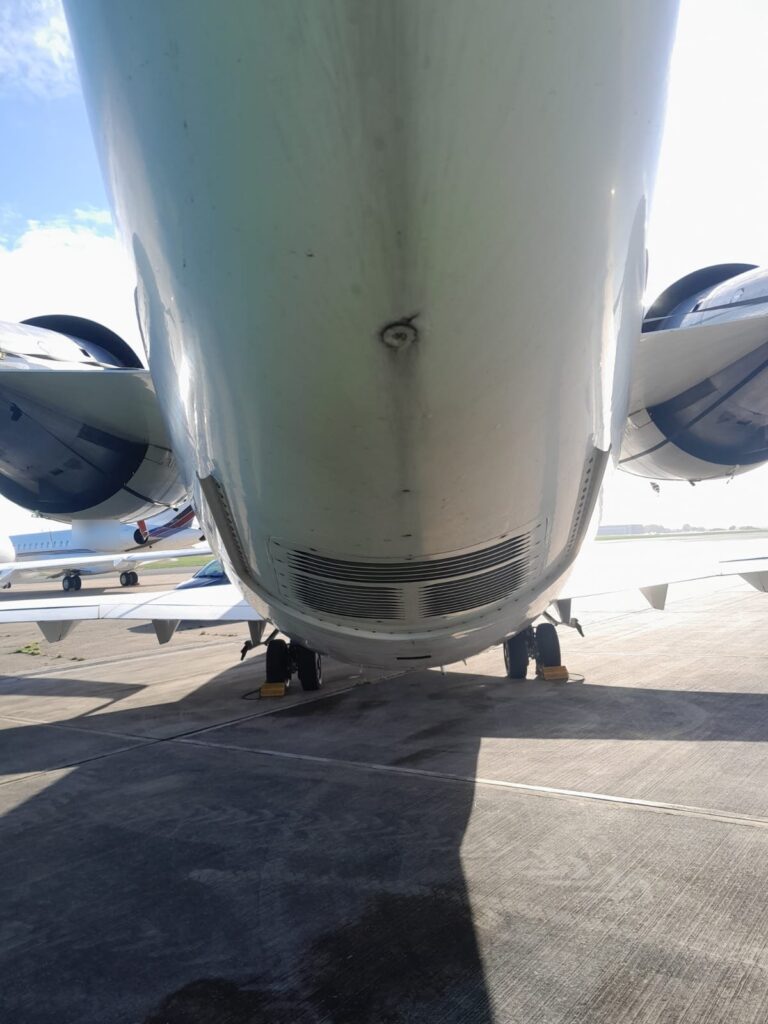
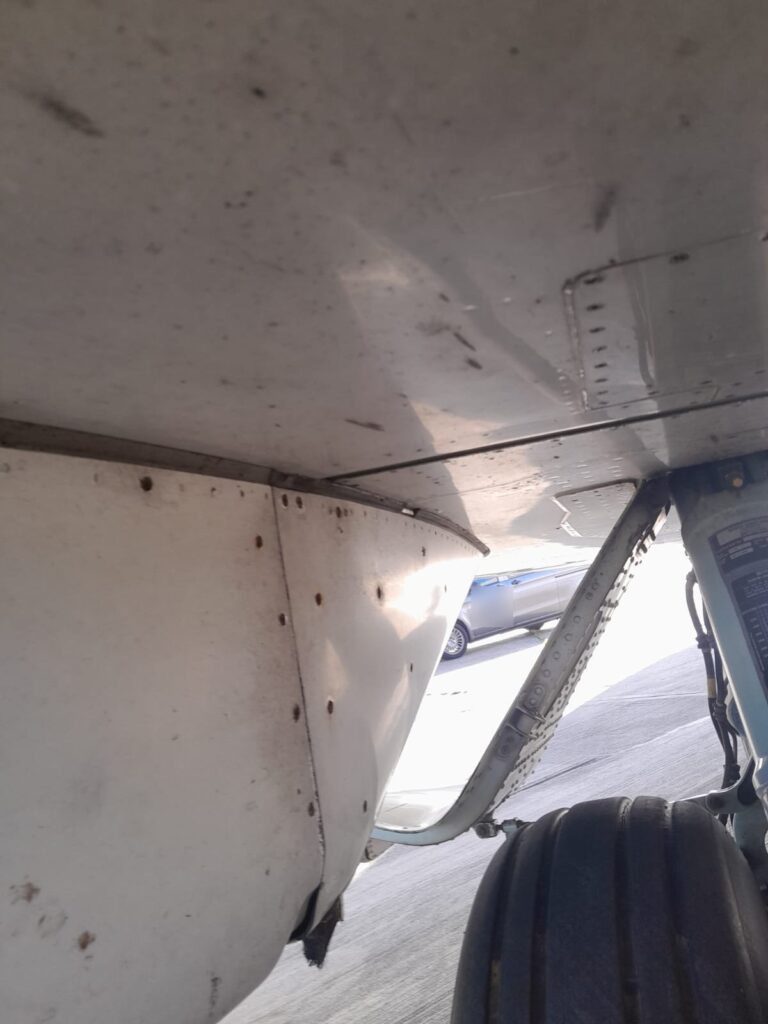
The belly collects exhaust residue, runway grime and fluid streaks.
Windows
Cabin and cockpit windows are usually acrylic, which scratches and crazes far more easily than glass. They need a dedicated acrylic cleaner and clean, soft microfibre cloths, wiped in straight lines rather than circles. Many manufacturers also restrict which products can be used on heated or coated windscreens, so the aircraft’s documentation should always be checked.
Brightwork and leading edges
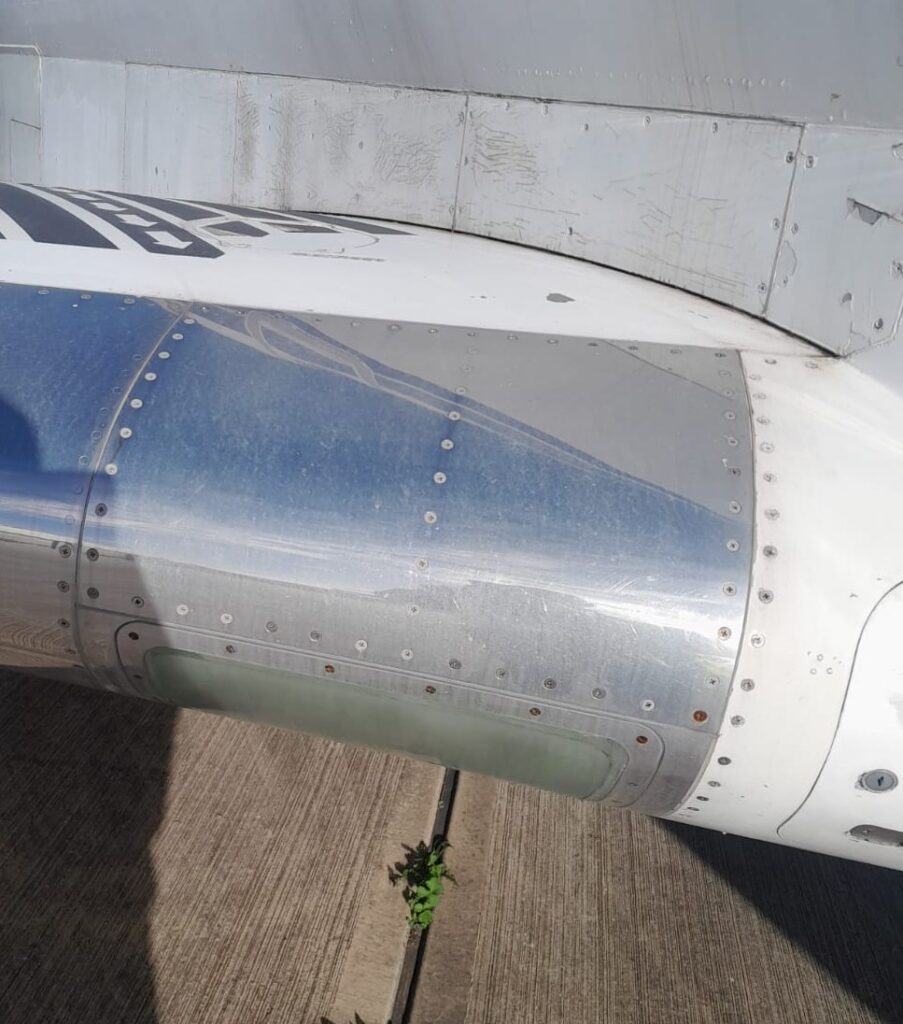
Polished leading edges and engine inlets give an aircraft its finish, but they can be bare metal, plated or coated. Each needs a polish suited to that surface, and some coatings shouldn’t be polished at all. Getting this wrong can remove protective layers or leave the surface more prone to corrosion.
Bare metal fairings dull and mark over time, and need a polish suited to the metal.
Landing gear and the underside
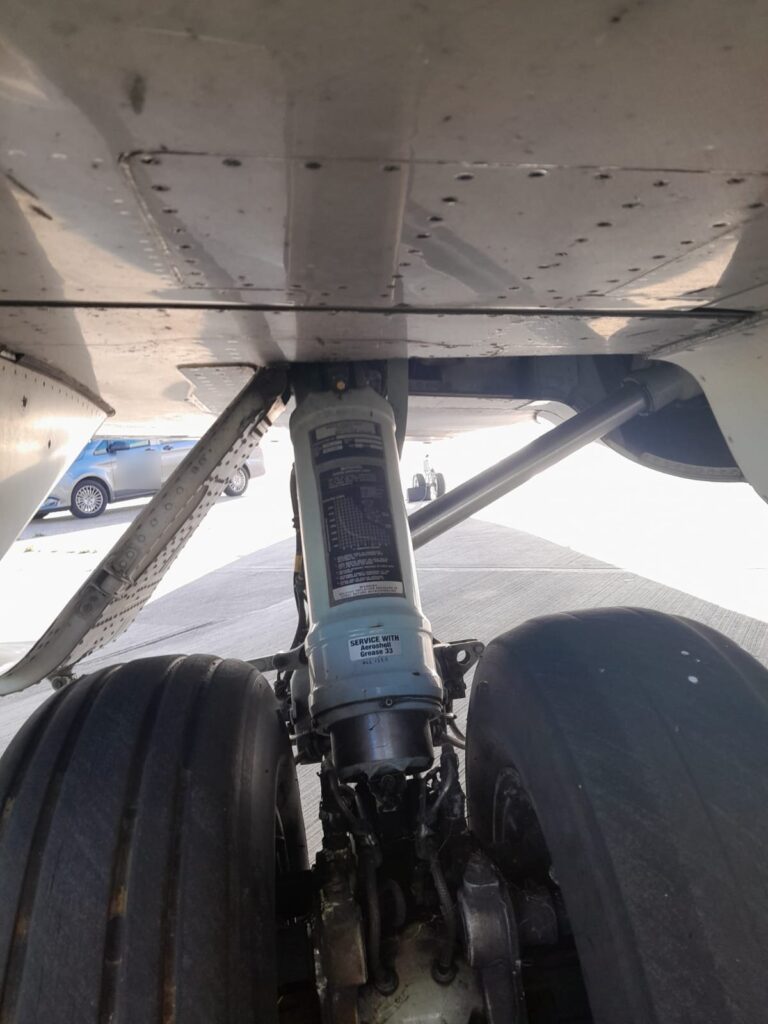
The belly, wheel wells and landing gear collect grease, hydraulic fluid, brake dust and exhaust residue. The right aircraft cleaning products here are approved degreasers that cut through this without attacking seals, bearings or high-strength steel, and without washing lubricant out of the places it needs to be. Grease points and placards should be left alone, and anything that needs re-lubricating afterwards is a job for the maintenance organisation.
Landing gear carries grease and hydraulic fluid, so degreasers must be approved and kept clear of lubrication points.
Cabin interiors
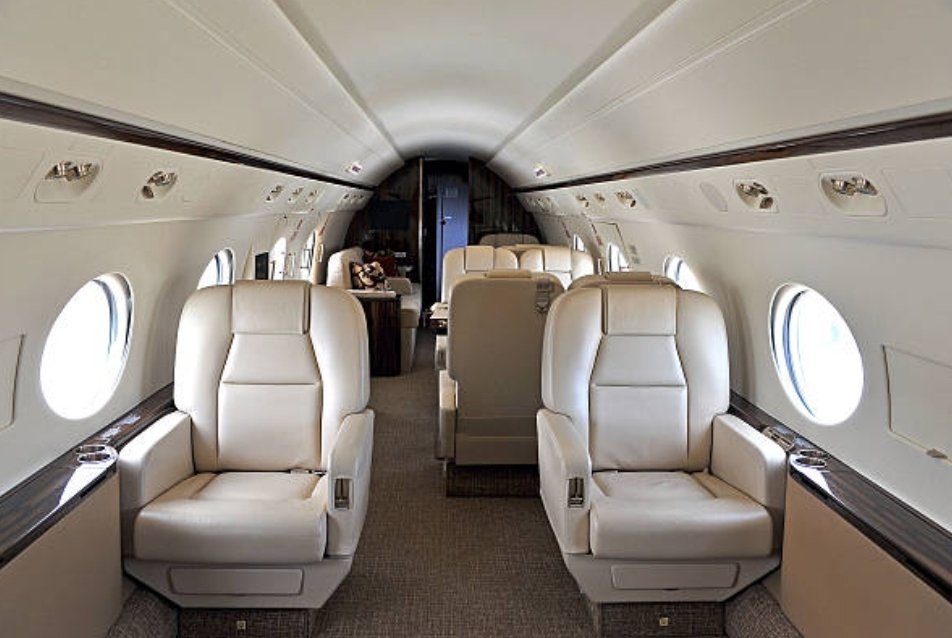
Seats, carpets and panels in an aircraft cabin are certified to strict fire standards. Interior products need to clean without over-wetting, without leaving residues and without affecting those materials. Leather needs aviation cleaners and conditioners, and fabrics need low-moisture methods. Our guides to private jet interior cleaning and private jet upholstery cleaning cover this in more detail.
Cabin leather and fabrics need low-moisture products suited to certified materials.
Using aircraft cleaning products safely
Grime around fasteners and panel joints needs careful cleaning with approved products.
Check the product is approved for the aircraft type, and keep its safety data sheet to hand.
Follow the label’s dilution rates and dwell times, and never let cleaners dry on the surface.
Cover pitot probes, static ports, sensors and vents before cleaning, and remove the covers afterwards.
Keep cleaners and polishes off probes, ports and windows unless the product is meant for them.
Work out of direct sun where possible, and test a small area first on older or repaired paint.
Follow the airport’s rules on chemical storage, water use and run-off.
Products are only half the job
The right aircraft cleaning products matter, but so does knowing how to use them. Technique, the right cloths and access equipment, airside experience and aviation insurance all play a part in a safe, high-quality result. That’s why most owners and operators use a specialist for their aircraft cleaning services and aircraft detailing. To see what affects the price, read our guide to aircraft cleaning costs in the UK.
Common questions
What products are used to clean aircraft?
The main aircraft cleaning products are approved water-based exterior cleaners, waterless dry wash, acrylic window cleaners, aviation metal polishes, approved degreasers, and leather and fabric cleaners suited to certified cabin materials. Each should be approved for the aircraft type.
Can I use car shampoo or wax on my aircraft?
It isn’t recommended. Many car products contain silicones, abrasives, acids or alkalis that can damage aircraft paint, windows, seals and metals, or affect future paint repairs.
What should I clean aircraft windows with?
A dedicated acrylic window cleaner and a clean, soft microfibre cloth. Never use household glass cleaners, ammonia, alcohol or paper towels, which can scratch or craze the acrylic.
Is waterless dry wash safe for aircraft paint?
Yes, when an approved dry wash product is used with the correct technique and clean cloths. It’s widely used on business jets, particularly where airports restrict water use.
Need your aircraft cleaned with the right products, by people who know how to use them? Call our 24/7 team on 01268 204 607 or send us a message for a free, no-obligation quote.
Request a quote
Get a quote for aircraft detailing
Tell us a little about the aircraft and what you need, and we’ll come back to you with a clear plan and price.
The seven key differences between aircraft and car detailing, from products and sensitive equipment to airside rules and insurance, and how to choose an aircraft detailer.
What aircraft exterior cleaning involves: wet and dry washing, brightwork polishing, paint protection, winter care, how often to clean and typical costs.