5 Things the RAF Taught Me About Running an Aviation Business
• 3 min read
By Carl Griffiths, founder of First Response Aviation Group
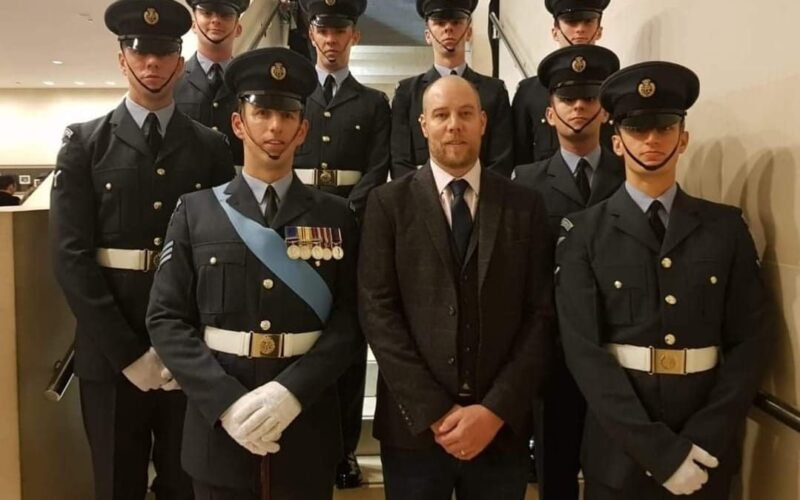
I served in the Royal Air Force in the early 2000s. Since then, I’ve worked in management for a number of companies, started my own business in 2018, and now run First Response Aviation Group.
People sometimes ask whether my time in the forces still makes a difference. It makes a difference every single day. Here are five things the RAF taught me that I still rely on when running an aviation business.
1. Preparation is everything
In the RAF, nothing happens without proper planning. You know what you’re doing, why you’re doing it, what you need, and what could go wrong, all before you start.
It’s exactly the same in aviation services. Before we detail an aircraft, we find out where it’ll be, when it’s next flying, what the airport’s rules are, and what finish the owner expects. Before a recovery, we check the paperwork, the location and who we’ll need to speak to on the ground.
Most problems in this industry come from rushing in. A bit of time spent planning at the start saves a lot of headaches later.
2. The small details are never small
Aircraft don’t forgive sloppiness. A cover left off a sensor, the wrong cleaning product on a painted surface, a missing page in the logbooks: little things like that can turn into expensive problems.
The RAF drums into you that there’s no such thing as a small detail. You check, then you check again. That’s why we’re so particular on our aircraft detailing and pre-purchase inspections. Clients are often making big decisions based on what we find and report, so it has to be right.
3. Stay calm when plans change
If you’ve worked in aviation, you know things rarely go exactly to plan. The weather changes, a part is delayed, an aircraft is somewhere it shouldn’t be. What matters is how you respond.
The RAF teaches you not to panic. You take a breath, look at what’s changed, and work out the best next step. That’s especially important with AOG support. When an aircraft’s grounded away from base, the owner or operator is under pressure. The last thing they need is a supplier who adds to it. Our job is to take the problem off their hands and calmly get it sorted.
4. Brief properly, and always debrief
In the forces, everyone knows the plan before a job starts, and afterwards you talk through what happened: what went well and what could be better. It’s a simple habit, but it makes a huge difference.
We do the same for our clients. Before we start, everyone involved knows what’s happening, when, and who’s responsible for what. When we finish, the client gets a proper update, with photos and paperwork where it’s needed. No chasing, no guessing. On sensitive jobs like aircraft recovery, clear records at every stage are essential.
5. Look after your team, and they’ll look after the job
The RAF is only as good as its people, and the same goes for any business. You can have all the plans and procedures in the world, but it’s the people on the ground who make them work.
I’ve always tried to build teams where people know they’re trusted, know what’s expected, and have what they need to do the job well. When people feel looked after, it shows in their work, and our clients notice.
It’s also why I care about supporting veterans and service leavers. They bring reliability, teamwork and a cool head under pressure, which is exactly what this industry needs.
The same standards, every job
The RAF’s core values are Respect, Integrity, Service and Excellence. I don’t pretend we’re perfect, but those values are what we hold ourselves to on every aircraft, every call and every job, whether it’s a routine detail or an urgent problem in the middle of the night.
If that’s the kind of support you’re looking for, I’d be glad to hear from you. Call our 24-hour concierge line on 01268 204 607 or send us a message.
Carl Griffiths, Founder, First Response Aviation Group
From the RAF to running his own business since 2018, Carl Griffiths set up First Response Aviation Group to give aircraft owners one dependable team on the ground.
Professional detailing protects an aircraft's finish, supports inspections and makes the right impression on passengers and buyers. Here's what a proper private jet detail covers.