How We Helped a Client Relocate Their Cabin, Tools and Spares from Biggin Hill
• 2 min read
When a client decided to relocate their operation from London Biggin Hill Airport to a new headquarters, they asked us to plan and coordinate the move. The first phase involved relocating their site cabin, along with the tools and spares that keep their operation running.
Here’s how we handled it, and what comes next.
The challenge
Moving a cabin, tools and spares might sound straightforward, but this job came with some important constraints:
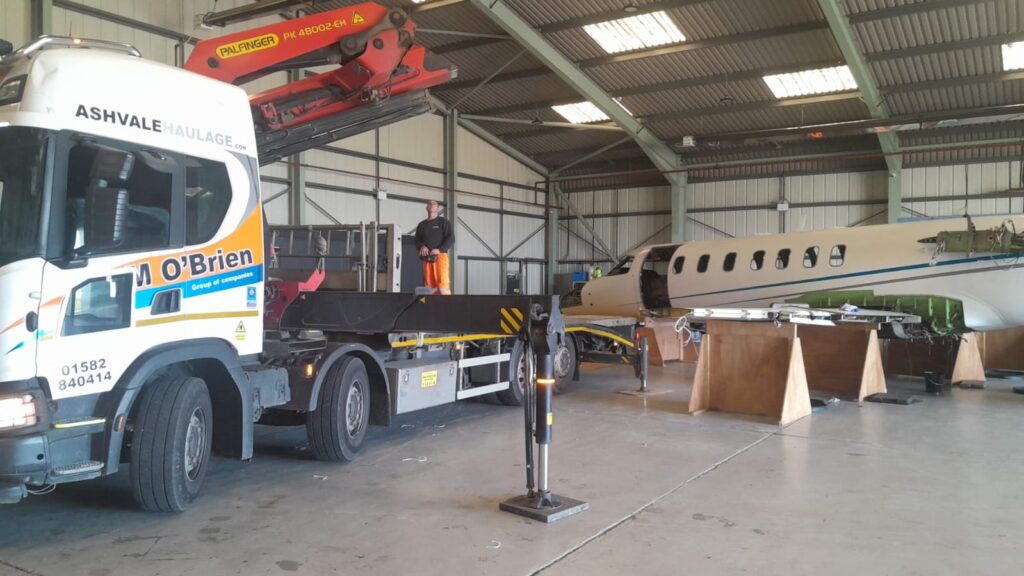
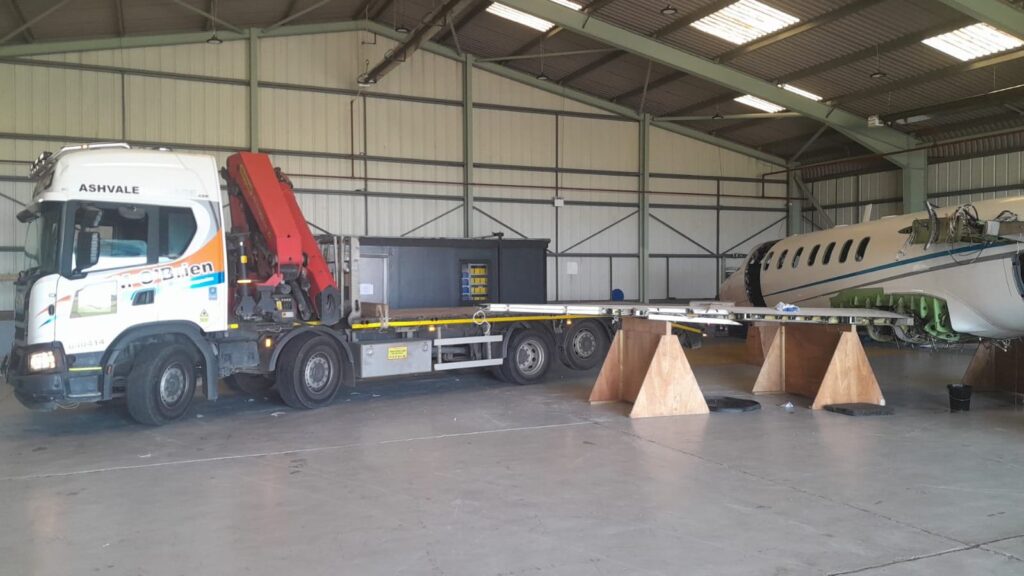
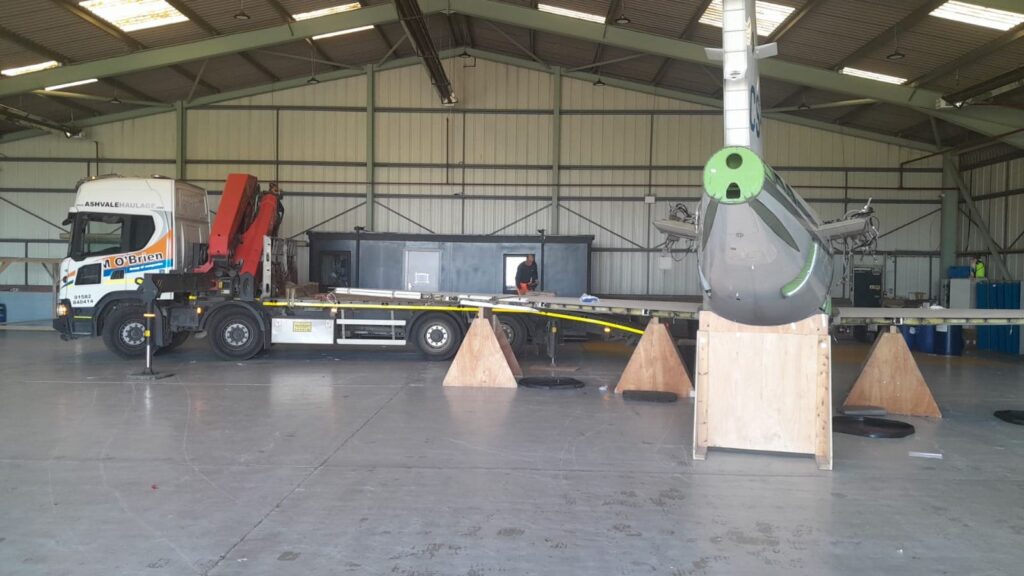
A working hangar: the cabin had to be lifted and loaded inside a hangar where aircraft were parked and stored, so every movement needed careful control and clearance.
Valuable tools and spares: everything had to be packed, protected and accounted for, so nothing was damaged or mislaid on the way to the new site.
Minimal disruption: the client needed to keep working for as long as possible, so timings had to be planned around their operation.
Planning the move
As with every job we take on, we started with planning. Before anything was lifted, we worked with the client to agree:
exactly what was moving, and in what order
how the cabin would be lifted, secured and transported
safe working areas and clearances around the aircraft in the hangar
access arrangements at Biggin Hill and at the new headquarters
timings that kept disruption to the client to a minimum
That preparation is where our RAF background shows. Thorough planning at the start means far fewer surprises on the day.
Lifting the cabin
We brought in our specialist haulage partner, Ashvale Haulage, part of the M O’Brien Group, with a lorry-mounted HIAB crane, which allowed a controlled lift inside the hangar itself.
Once loaded, the cabin was checked and secured for the journey to the client’s new headquarters.
Moving the tools and spares
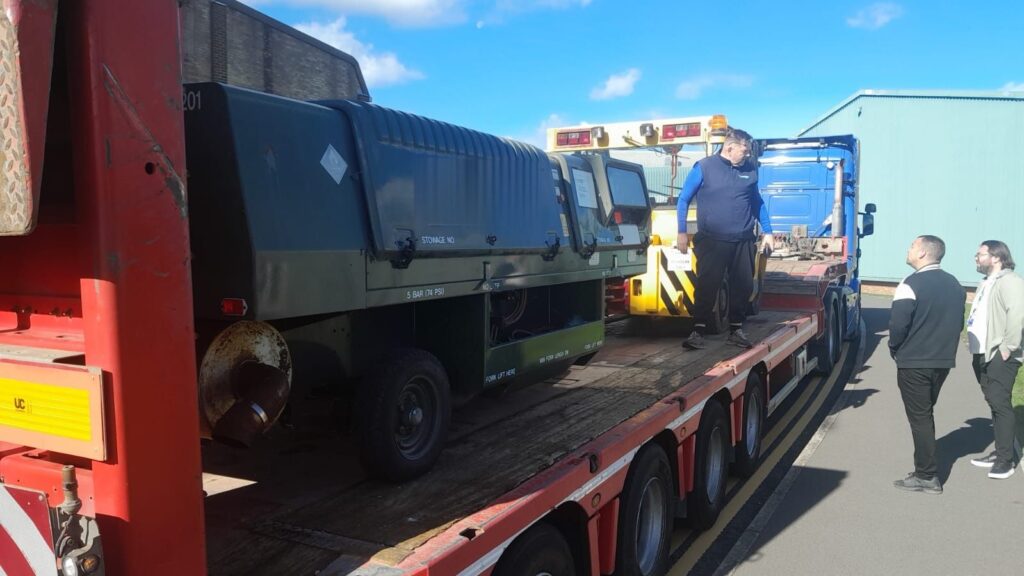
Alongside the cabin, the client’s tools and spares were packed, protected and loaded for transport. Larger items of equipment were secured on a low-loader trailer, and everything was accounted for on arrival so the client could get straight back to work.
One point of contact throughout
Throughout the move, the client dealt with one person at First Response Aviation Group. We coordinated the haulage, lifting, access and timings, so their team could carry on with their work while the relocation took place around them.
What’s next: relocating the aircraft
With the cabin, tools and spares now at the new headquarters, we’re working with the client to plan the next phase: relocating the aircraft. Moving an aircraft takes even more careful preparation, and we’ll share how that part of the project goes in a future update.
Planning an aviation relocation?
Whether you’re moving a cabin, tools and spares, equipment or an aircraft, we can plan and coordinate it for you, anywhere in the UK, Europe and beyond. It’s the same approach we bring to our AOG support and aircraft recovery work: careful planning, the right specialist partners and one point of contact from start to finish.
Which aircraft cleaning products are approved, why car products damage aircraft paint, windows and brightwork, and how to use aircraft cleaners safely.
The seven key differences between aircraft and car detailing, from products and sensitive equipment to airside rules and insurance, and how to choose an aircraft detailer.