Pre-Purchase Inspection Checklist: What Aircraft Buyers Should Check
• 6 min read
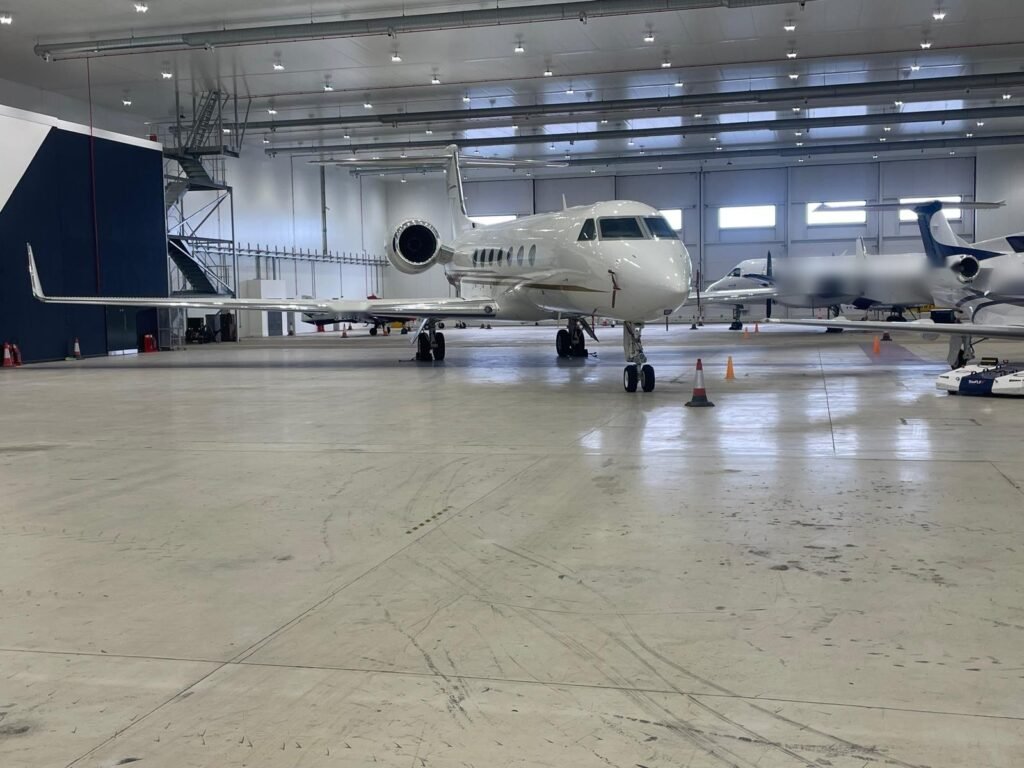
A business jet can look immaculate on the ramp and still be hiding costly surprises in its records, systems or structure. This pre-purchase inspection checklist sets out what buyers should check before committing to an aircraft, so you know exactly what you’re buying and can negotiate with confidence.
It’s a practical guide rather than a technical manual. The inspection itself should always be carried out by approved engineers who know the aircraft type, but knowing what they’ll be looking at helps you ask the right questions.
Pre-purchase inspection checklist: before you start
Agree the scope in writing. Decide which elements and which level of inspection you need (see below), including whether engine and APU borescopes and a test flight are included.
Choose an independent facility. Ideally use an approved maintenance organisation experienced on the type that has no connection to the seller, so the findings are unbiased.
Agree who pays for what. Your purchase agreement should say who pays for the inspection and who is responsible for putting right any airworthiness discrepancies that are found.
Set a realistic timescale. A light jet may take a few days; a large-cabin jet can take one to three weeks, depending on the scope.
What a pre-purchase inspection includes
A professional pre-purchase inspection is usually built around four core elements:
Records review: a detailed review of the aircraft’s logbooks, maintenance history and supporting documents.
Compliance evaluation: checking compliance with Airworthiness Directives, Service Bulletins, life limits and the maintenance programme.
Airworthiness review: confirming the aircraft’s airworthiness status and the validity of its certification.
Damage evaluation: identifying any damage, past or present, and how repairs were carried out and approved.
Inspection options on large jets
On large-cabin business jets, there are two main ways to carry out the physical side of the inspection:
In conjunction with a scheduled inspection: the pre-purchase inspection is carried out alongside a maintenance check that’s already due, which makes good use of the time the aircraft is in the hangar.
A non-intrusive physical inspection: a thorough inspection that doesn’t require panels or components to be opened up in the same way as a full maintenance check.
On some types, such as the Bombardier Global, there are also three levels of inspection to choose from, depending on how in-depth you need it to be:
Level 1: Basic records and visual check
Logbook and records review: a high-level audit of maintenance tracking, Airworthiness Directives (ADs) and Service Bulletins (SBs).
Functional checks: ground operational testing of the aircraft’s primary systems.
Visual examination: a general exterior walkaround and interior cabin check for basic wear, cleanliness, and obvious cosmetic or operational flaws.
Level 2: Detailed records and targeted disassembly
In-depth records audit: a thorough review of the logbooks, component times, and structural and modification records.
Panel and area access: opening selected maintenance panels to inspect specific high-risk zones prone to moisture collection or early corrosion.
Systems verification: more extensive checks of avionics, electrical health and mechanical systems.
Level 3: Comprehensive physical and invasive inspection
Deep structural and corrosion inspection: extensive opening of fuselage, wing and tail areas to look for hidden structural wear, fatigue or corrosion.
Engine and APU borescope inspections can be added to give a detailed view of their internal condition. The right level depends on the aircraft’s age, its history and how much certainty you need before you buy.
1. Maintenance records and paperwork
The records are often where the biggest surprises are found. An aircraft with missing or incomplete records can be very hard to value, insure or sell later.
Complete logbooks for the airframe, engines, APU and propellers if fitted, with no unexplained gaps
Compliance with Airworthiness Directives (ADs) and the status of Service Bulletins (SBs)
Life-limited parts, with their remaining hours, cycles and calendar limits
Inspection status: when major checks were last done and what’s coming due soon
Any damage history and how repairs were carried out and approved
Engine and APU maintenance programmes, and whether they transfer to a new owner
Certificate of airworthiness, airworthiness review, registration and export status
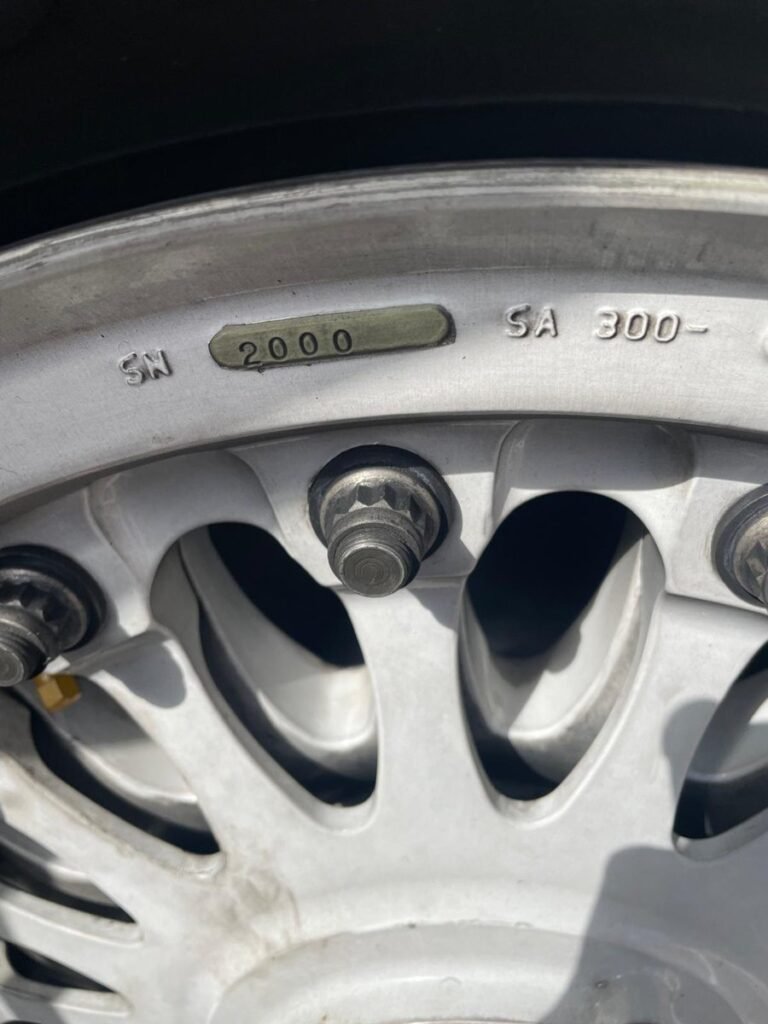
A good inspection goes beyond the paperwork and checks the aircraft against it, right down to component serial numbers, so you know the records genuinely describe the aircraft in front of you.
2. Airframe and structure
Corrosion, especially around wheel wells, belly areas, lavatory and galley floors, and door surrounds
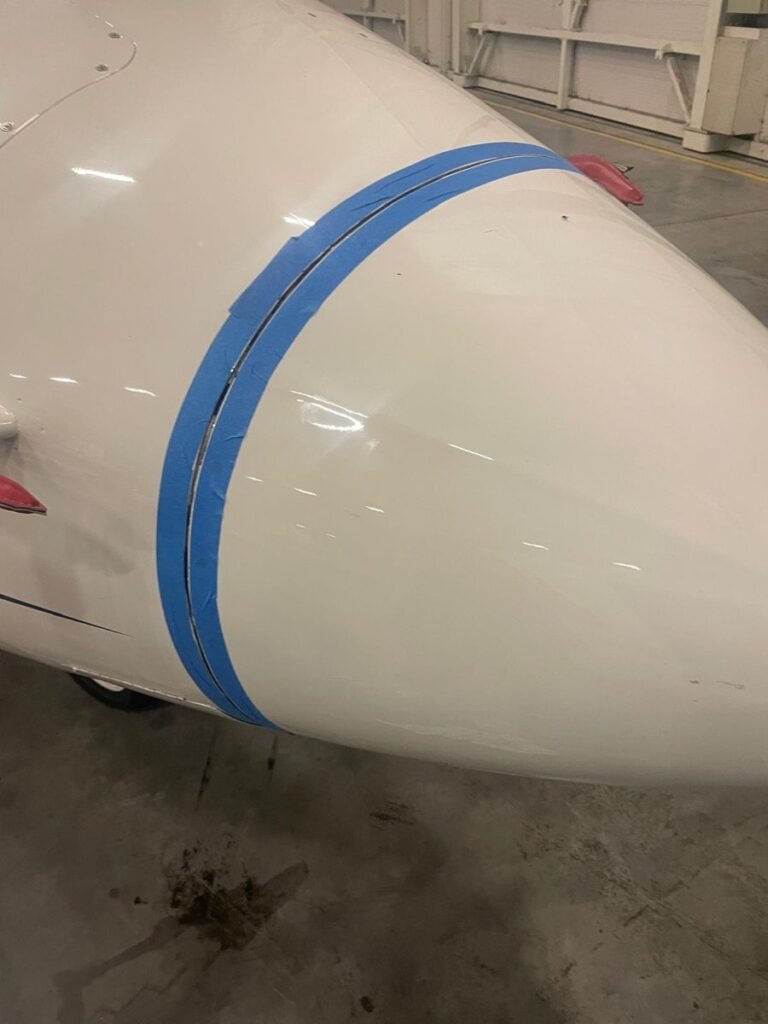
Signs of previous damage or repairs, including dents, creases and non-standard repairs
Landing gear, brakes, wheels and tyres
Flight control surfaces, hinges and actuators
Windows and windscreens for crazing, delamination or chips
Paint condition, which can hide or reveal problems underneath
3. Engines and APU
Engine and APU borescope inspections
Engine trend monitoring data and oil analysis results
Hours and cycles since overhaul or hot section inspection
Any recurring defects or deferred items
Whether engine programme cover is in place and transferable
4. Avionics and systems
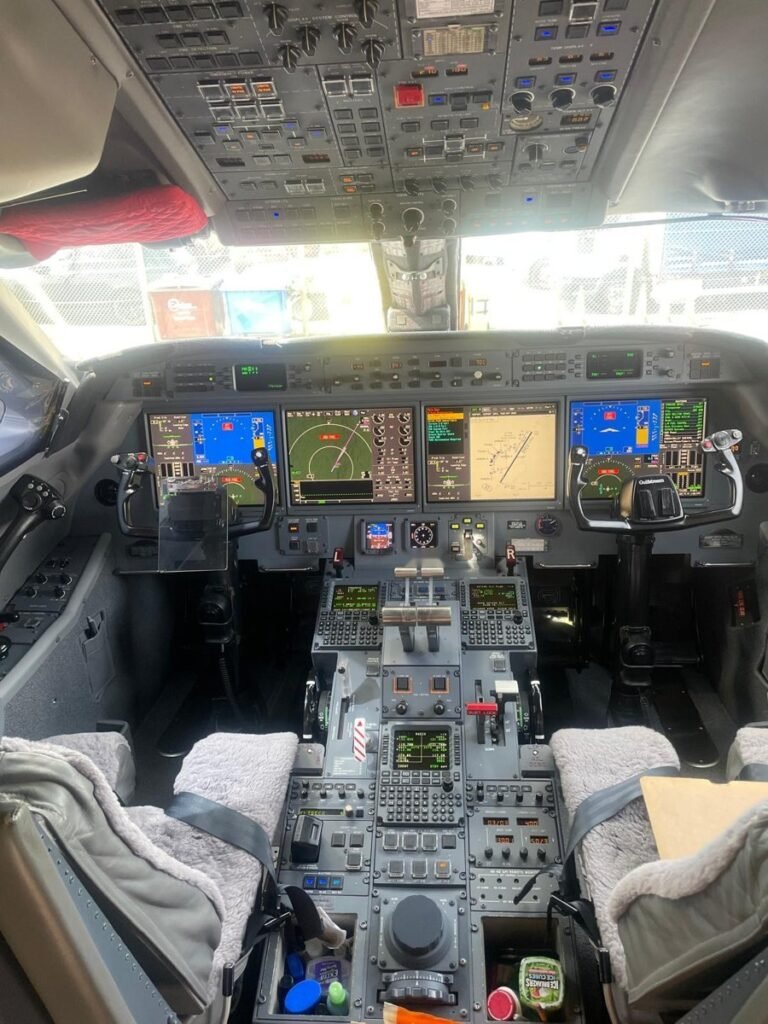
Functional checks of avionics, autopilot and flight management systems
Whether the aircraft meets current airspace and equipment requirements for where you plan to fly
Electrical, hydraulic, pressurisation and environmental systems
Open or deferred defects, and how long they’ve been open
5. Interior and cabin
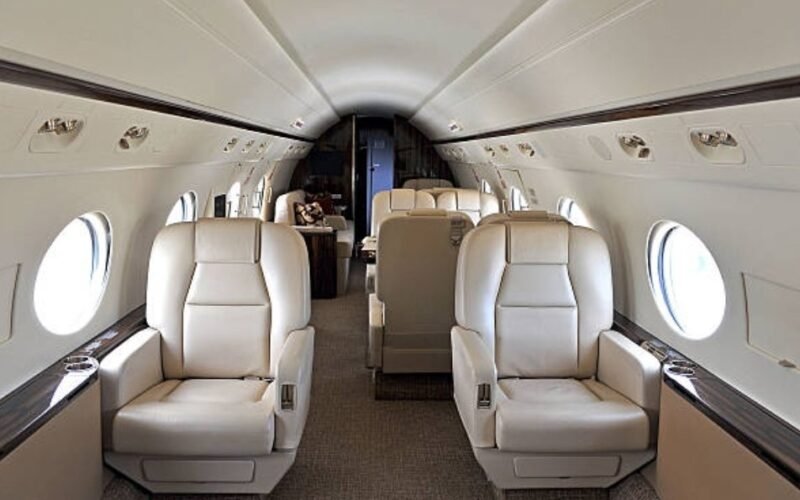
Seats, leather and upholstery: wear, tears, stains and repairs
Carpets, headliner and sidewalls
Galley equipment and the washroom
Cabin entertainment, connectivity and lighting
Odours, which can point to moisture or hidden problems
Cosmetic wear is rarely a reason to walk away, but it is worth pricing into your offer. Our guide to private jet interior cleaning explains what a professional interior detail can and can’t put right.
6. The test flight
A test flight confirms that systems behave as they should in the air: performance, pressurisation, autopilot, avionics and any squawks the crew notice. Make sure the findings are recorded alongside the ground inspection.
7. Findings, costs and your decision
A clear list of discrepancies, split into airworthiness items and cosmetic items
Estimated costs for each finding, and for upcoming maintenance that’s due soon
Agreement on what the seller will rectify before delivery, and what will be reflected in the price
A final records check once rectification work is complete
The goal of a pre-purchase inspection isn’t to find a perfect aircraft. It’s to give you the facts, so you can negotiate with confidence or walk away before an expensive mistake becomes yours.
After you buy: delivery and entry into service
Once the sale completes, the aircraft is usually delivered, re-registered if needed and prepared for service. It’s the ideal moment for a full detail, so the aircraft is handed over looking its best, inside and out. We can detail the aircraft at the FBO or MRO before delivery, with no extra downtime. See our aircraft cleaning packages for the options.
How First Response Aviation Group can help
We coordinate independent pre-purchase inspections through approved engineers and inspection organisations, so you have one point of contact from the first inspection to handover. We can also support aircraft sales, and detail the aircraft before delivery. Founded by an RAF veteran, every job is run with the same discipline, planning and attention to detail.
You can also download our free pre-purchase inspection checklist from our pre-purchase inspections page.
Common questions about pre-purchase inspections
How long does a pre-purchase inspection take?
It depends on the aircraft and the scope. A records review and visual inspection of a light jet may take a few days, while a full inspection of a large-cabin jet can take one to three weeks.
What does a pre-purchase inspection include?
Usually a records review, a compliance evaluation, an airworthiness review and a damage evaluation, plus a physical inspection. On large jets, the physical inspection can be done alongside a scheduled inspection or as a non-intrusive inspection, and on types such as the Bombardier Global there are three levels to choose from, from a records and visual check to a comprehensive invasive inspection. Engine and APU borescopes can be added.
Who pays for the pre-purchase inspection?
It’s agreed in the purchase agreement. Commonly the buyer pays for the inspection, and the seller is responsible for putting right airworthiness discrepancies, but terms vary, so check yours carefully.
Where should the inspection be carried out?
Ideally at an approved maintenance organisation experienced on the aircraft type, with no connection to the seller, so the findings are independent.
Can you arrange the inspection for me?
Yes. We coordinate independent inspections through approved engineers and inspection organisations, and keep you updated from start to finish.
Starting prices for private jet seat and upholstery cleaning, from leather and fabric seats to divans and colour restoration, plus what affects the price.
How each part of a private jet cabin should be cleaned, from leather seats and wool carpets to upholstery, veneer, the galley and the washroom, and how often it needs doing.